Milo Asked for the Blue Bowl. His Stepmother Said No. Then His Mother Came Home Early.
Chapter 1: The Extra Serving
“Put the peaches back, Milo. You had your supper, and the rest is for people who listened.”
Four-year-old Milo stopped with the blue bowl hugged to his chest. One peach half slid against the rim. He wore green dinosaur pajamas, though it was still early evening, and his cheeks shone with tears.
“I only had noodles,” he whispered. “I want peaches.”
His stepmother, Tessa, took the bowl from him and set it on the counter. “You chose not to eat what I made.”
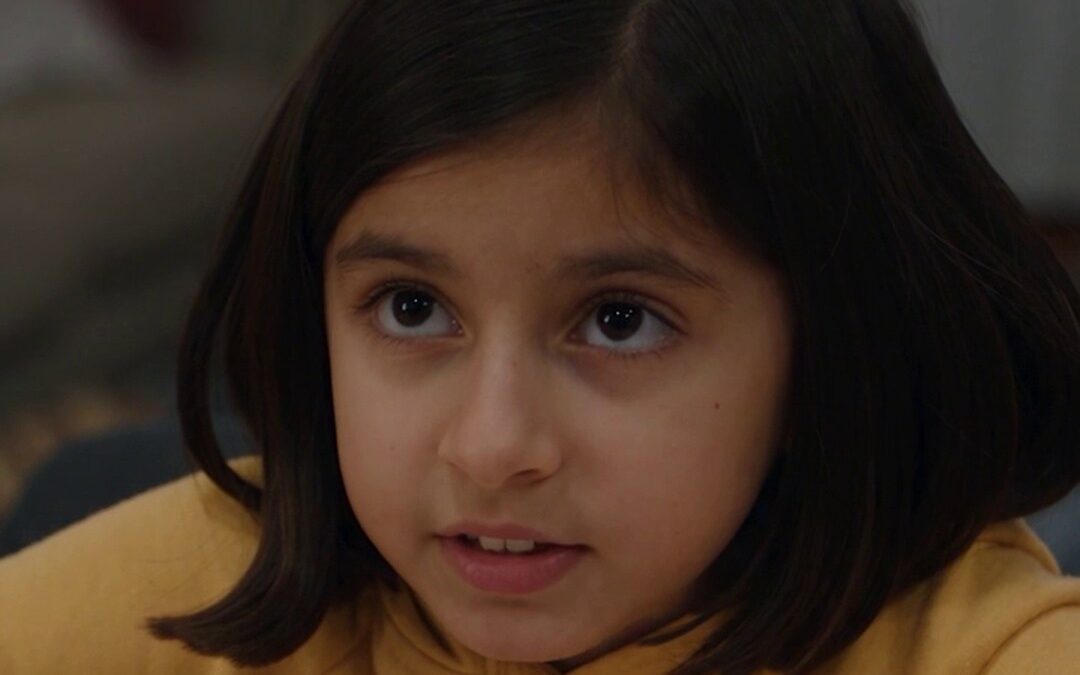
At the table, eight-year-old June looked down at her own plate. Her yellow sweatshirt was bunched at the cuffs. She had been drawing a horse on a paper napkin, but now her pencil was still.
The back door opened. Milo’s mother, Elena, stepped into the kitchen in her navy work clothes, her canvas laptop bag slipping from one shoulder. She had expected to be home after bedtime. The meeting had ended early.
Milo saw her and ran over. Elena crouched and caught him before he bumped the chair.
“Hey, little bird. What happened?”
“I’m hungry,” he said into her sleeve. “Tessa said no peaches.”
Tessa folded her arms. “He barely touched dinner. I told him dessert was for everyone who finished.”
Elena held Milo at her side and looked at the table. June’s plate was empty except for a streak of sauce. Milo’s small plate held several noodles.
“He ate some,” Tessa said. “I’m not making another meal because he changed his mind.”
“I’m not asking you to,” Elena replied. “Milo, did you have anything else?”
He shook his head. “Just noodles. They were spicy.”
Tessa’s expression softened by a fraction. “I didn’t know he’d refuse them. The peaches were for tomorrow’s breakfast.”
June slid her napkin drawing beneath her plate. Elena noticed.
“June, you don’t have to explain anything,” she said. “Did you see something about the peaches?”
June glanced at Tessa, then at Milo. “Tessa cut them before dinner. She said the small bowl was Milo’s if he ate the noodles.”
Tessa’s jaw tightened. “That’s not what I said.”
Elena didn’t ask June to say more. She kissed Milo’s hair, then turned toward the counter.
“Where did the peaches come from?”
“They’re in the fridge,” Tessa said. “But I’m not starting a debate over fruit.”
Elena opened the refrigerator. A clear container sat on the middle shelf, its lid marked with Tessa’s blue tape. Elena lifted it. Inside were four peach halves, already sliced, with a folded note tucked beneath the lid.
On the note, in Tessa’s handwriting, were the words: **Milo’s portion—only if he clears his plate.**
Chapter 2: What the Note Meant
For a breath, the kitchen held still around Elena’s hand. The note was small, creased once down the middle, and written on the back of a grocery list. She kept the container in her palm. Milo’s arms were still around her waist; June’s pencil lay across the napkin where she had drawn the horse.
Tessa reached toward the refrigerator door. “That was a reminder for myself. He had dinner.”
Elena set the container on the counter. “I’m going to give him some fruit. First I want to know what happened.”
“There isn’t a mystery. I made chicken and noodles. June ate hers. Milo pushed his plate away. I said he could have peaches if he finished.”
Milo pressed his face into Elena’s side. “It was hot.”
“I hear you,” Elena said. “You don’t have to eat something that feels too hot. We’ll get you something you can eat.”
“He gets to refuse and then get a treat?” Tessa asked.
“Fruit isn’t a prize for obedience.”
“It’s dessert.”
“It’s food.” Elena softened her voice for Milo. “Would you like peaches, or toast and milk?”
“Peaches. Not the brown soft bit.”
“We’ll pick the pieces you like.”
Elena took down a small plate and spoon. She placed two peach halves on it and cut them into bite-size pieces. Milo watched her hands. June watched Tessa.
“You’re making me look cruel in front of the kids,” Tessa said.
“I’m asking what happened.” Elena set the plate on the table. “Milo, sit with me if you want.”
He climbed into the chair beside her and reached for a peach. Elena poured milk into his cup and left it within reach.
June pushed her drawing toward him. “I made a horse with a big tail.”
“Like a broom,” Milo said.
“It’s a show horse,” June replied, smiling.
Elena looked at the container. “You told me there was no other dinner available.”
“I didn’t say that. I said I wasn’t making another dinner.”
“You said he’d already eaten.”
“He ate some noodles.”
“Enough to be full?”
“He said he wasn’t hungry.”
Milo swallowed a peach. “I said it was spicy.”
Tessa’s mouth tightened. “You said you didn’t like it.”
“Those are different things,” Elena said.
“Children say anything when they want what’s next.”
Elena kept her eyes on Tessa. “Did he finish any chicken?”
“He had a couple bites.”
“So he ate some, but he wasn’t full, and you tied the peaches to clearing his plate.”
“I gave him a choice. I’m allowed to set limits.”
“Limits aren’t making a four-year-old earn food by eating something he says is too spicy.”
“He can’t get a separate menu every night.”
“I’m not asking you to cook anything. You prepared fruit. You set aside his portion, then wrote that he could have it only if he cleared a plate.”
“It was a reminder for me.”
“What was it reminding you to do?”
Tessa glanced at the note. “His portion was reserved. If he ate.”
“There’s the rule.”
“I don’t want him learning to refuse dinner and hold out for something better.”
“That doesn’t make this fair. You could offer bread, cereal, yogurt, or the peaches and still tell him dinner was done. You don’t need to make hunger the consequence.”
“He wasn’t hungry until he saw the fruit.”
“I was hungry before,” Milo said. He lined two peach pieces along the edge of his plate. “I smelled it.”
Tessa’s expression tightened. “You sat at the table for almost half an hour.”
“I was little at the table.”
“You were throwing the noodles.”
“I pushed them,” he said.
Elena put her hand palm-up beside his. He leaned against her arm. “You don’t have to explain it all. You told us what you can.”
He looked at her. “Can I have all the yellow ones?”
“You can have the ones you want from your portion. We can save the rest.”
Elena returned the other peach halves to the container and fitted on the lid. She left the note on the counter. It answered whether Tessa had set aside food for him. It didn’t tell Elena how often this had happened, or what Tessa had said on nights she was away.
“I’m taking over the children’s care tonight,” Elena said. “You can go upstairs or take a walk, but you can’t set another food rule while we sort this out.”
“You can’t just remove me from my own home.”
“I’m not telling you to leave. I’m taking responsibility for the kids tonight. You and I need to talk without them here.”
“After you tell them I’m unsafe?”
“I’m not saying that. I’m saying you used food to enforce obedience and gave me a misleading account. I need to understand what happened before you’re in charge of dinner again.”
“I didn’t lie.”
“You said he had eaten. You left out that you’d prepared food for him and withheld it unless he cleared a plate.”
“He’d had bites.”
“That isn’t what you led me to believe.”
Tessa’s fingers tapped once against the counter, then curled into a fist. “I didn’t think he was actually hungry.”
“He told you he was.”
“He tells me he’s hungry whenever there’s something he wants.”
Milo’s spoon clinked against the plate. Elena turned a peach piece so its yellow side faced up. “You don’t have to finish those, sweetheart.”
“I want the yellow one.”
“Here.” She set it beside his spoon. “This one’s softer.”
Tessa looked away.
June said, “He asked twice.”
Elena turned toward her. “You can stop there if you want.”
June’s shoulders rose. “I want to tell you. He asked when we were still at the table. Tessa said if he kept asking, she’d put all the peaches away.”
Tessa faced June. “I didn’t say it like that.”
“You said, ‘Keep asking and none of you gets any.’”
“That was after you started chiming in.”
“June,” Elena said, “you didn’t do anything wrong by answering me. You don’t have to take care of Milo or get between grown-ups.”
“I know.”
“Do you?” Tessa said with a tired laugh. “You’ve been running to rescue him all evening.”
“That’s enough,” Elena said. “She’s eight. You and I will talk.”
Tessa looked back at Elena. “You came home early and walked into the end of a disagreement. You weren’t here for dinner.”
“That’s true. I wasn’t.” Elena took a breath. “Tell me the part I missed.”
“I got home, cooked, put two kids through dinner, and cleaned up. One ate. One didn’t. I made a reasonable rule. Now you’re treating a note like evidence in a trial.”
“I’m treating it like your own words.”
“The note is for me.”
“What did you want it to remind you to do?”
Tessa looked at the open container. “That his portion was reserved.”
“For him.”
“If he ate.”
“I don’t want a child learning to refuse dinner and hold out for something better,” Tessa said again.
“I heard you. But he asked for food, and you decided his words didn’t count because you thought he wanted a treat.”
“It wasn’t a meal.”
“It was a portion you set aside for him.”
Milo pushed a peach piece around his plate. “Can I have toast now?”
“Yes,” Elena said. “You can have a little toast too.”
“Not the crunchy kind.”
“I’ll make it soft.”
“Can I have butter?”
“Sure.”
“Just a little.”
“I’ll put a little on.”
He slid down from his chair and followed her to the counter. Elena reached for bread. “You can stay by my leg while I make it.”
He watched the toaster. “Will Tessa be mad?”
“You didn’t do anything wrong. Grown-ups can feel mad, but they have to handle that feeling. You can ask me for food.”
“Even if I don’t eat noodles?”
“Yes.”
“What if it’s spicy again?”
“Then tell me. You can have something else.”
“Do I have to finish this?”
“No. Eat what feels good. You can stop when you’re done.”
He looked toward the breakfast nook. “Can June have peaches too?”
“Yes. June already had some with dinner, but she can have more if she wants. Nobody loses food because someone else asked.”
From the nook, Tessa’s voice rose. “Camille, I’m trying to tell you what happened.”
Elena glanced at the room. Tessa had her phone now, and Camille—her sister—was apparently on the line. Elena focused on Milo. He watched the toaster.
“Will she be mad at you?” he asked.
“She might be upset. That’s for us grown-ups to handle.”
The toaster clicked. Elena put the toast on a plate and cut it into two soft triangles. Milo chose one. Tessa ended the call and came back to the counter.
“Camille thinks I should talk to you privately before you cancel her plans.”
“I will talk to you privately. I’m still changing tomorrow’s care.”
“She was going to help with the party.”
“I’ll handle the cake pickup.”
“That’s not the point.”
“What is?”
“You’re making decisions as if I don’t belong here.”
Elena understood the practical stake. Tessa’s sister Camille had invited the family to her son’s party the next day. Elena had agreed weeks ago that Tessa would take the children while Elena attended a Saturday work training. It had seemed like an ordinary favor, not a test of anyone’s place in the family.
“I’m not ready to leave the kids with you tomorrow,” Elena said.
Tessa’s eyes flashed. “Because I gave him a consequence?”
“Because you told me he’d already eaten, and I found his portion with a condition attached. I need to understand what else you’ve told the children about my rules.”
“You’re taking away my weekend over peaches.”
“I’m changing tomorrow’s care because I have new information about how you handled food tonight.”
“I was doing you a favor.”
“You were caring for the children. That comes with responsibility.”
“I didn’t say he’d lose all food.”
“You said none of them would get peaches. He was the only one asking. You tied his portion to the noodles.”
Tessa pressed her lips together. “I thought I was encouraging him to eat a balanced meal.”
“By keeping food from him.”
“I didn’t keep it from him. I told him the rule.”
Milo had settled at the table with his toast. He dipped one corner into his milk.
“Don’t talk about him as if he’s manipulating you,” Elena said. “He told you the noodles were spicy. He asked for food.”
“I never said he couldn’t ask.”
“You made asking feel dangerous.”
Tessa didn’t answer.
Elena picked up her phone. “I’m calling Rachel to arrange tomorrow. You can tell Camille your account too, but I’ll still speak with her about the children’s schedule.”
“You’re controlling who I talk to?”
“No. You can talk to Camille. I’m telling her I’m taking the kids tomorrow.”
Tessa went to the nook with her phone. Elena stayed near the table, where June had returned and resumed drawing. Milo was lining peach pieces from yellow to orange.
“Can I draw the horse’s tail?” he asked.
“Yes. Ask June before you use her pencil.”
“June, can I?”
“You can use blue. Purple is for the mane.”
He made a row of short marks. “This is the tail.”
“It looks like a cloud,” June said.
“It’s a horse cloud.”
“That makes sense.”
Elena sat beside them. June glanced toward the nook. “Is everything okay?”
“The grown-ups are talking. You’re okay, and Milo is okay. You don’t have to stay here to listen.”
“I want to finish the picture.”
“Okay. You can draw here.”
Tessa returned after ending the call. “He’s eating now.”
“Yes.”
“So he wasn’t really hungry.”
Elena kept her voice low. “Don’t use the fact that he’s eating now to erase what happened before.”
“I’m trying to understand.”
“He was hungry enough to ask. He was scared enough to stop asking. Both can be true.”
Tessa sat at the far end of the table. “I don’t know how to handle all the different needs. June eats anything. Milo wants his food cut up, hates spice, and asks for snacks before dinner.”
“Those differences are manageable. We can set a routine.”
“You make it sound easy.”
“It isn’t easy. It’s still our responsibility.”
Tessa glanced at June. “I worry she gets overlooked. Milo gets more attention.”
“Maybe he gets more attention when he’s crying,” Elena said. “That doesn’t mean June matters less. Tell me what you’re seeing.”
“She waits. He gets different cups, different food, different pajamas. I’m the one who has to bend.”
“Then tell me you need more help. Don’t make Milo pay for a problem between adults.”
“I’m not making him pay.”
“You made fruit depend on obedience. That’s what I’m addressing.”
“I wanted a little order. They’re always different. Different rules, different schedules. June gets asked to be the big one; Milo gets a pass because he’s small; and I’m supposed to be the flexible one.”
“You shouldn’t be the only one doing the work. I’ll change that. But you can’t direct your frustration at him.”
Tessa glanced at the children. “I thought you’d back me up.”
“About what?”
“The rule. I told him you agreed he should finish.”
Elena held still. “I never said that.”
“You said you didn’t want them grazing all evening.”
“I said snacks should be predictable, not that you could withhold a prepared portion.”
“You said no extra food after dinner.”
“I meant no candy and no endless snacking before bed. We never talked about denying a child fruit when he was still hungry.”
Tessa looked down. “I thought that was what you meant.”
“Did you tell him I made the rule?”
“I told him you wanted him to learn to finish dinner.”
“When?”
“Earlier this week, I think.”
“Did I say those words?”
“Not exactly.”
“Then you told him something I didn’t say.”
“I was trying to keep the same rules in both houses.”
“This is one house. If a rule is unclear, ask me. Don’t attach my name to a stricter version.”
“I didn’t want him to think you’d let him have peaches whenever he asked.”
“So you used me to make him obey.”
Tessa looked away.
Elena’s cheeks warmed. She had told Tessa she wanted consistent routines, but she had expected her to distinguish structure from leverage without spelling it out. “I should have made the snack rule clear,” she said. “I should have checked how dinners were going instead of assuming everything was fine. That part is on me. But I did not authorize this condition.”
“I was here. It was on me to decide.”
“Yes. You were the adult here. That’s why your decision matters.”
“I thought I was being consistent.”
“You were consistent with a rule you invented. That doesn’t make it fair.”
Elena took a clean sheet from the notepad and wrote three points: regular meals; a simple backup food if a child couldn’t eat the main dish; no food withheld to force bites or silence a request. She set the paper between them.
“These are the household rules until we talk this through,” she said.
Tessa scanned the list. “You’re making me sign something?”
“No.”
“What’s the point, then?”
“So the kids don’t get two versions of what we think is okay.”
“June is old enough to understand a meal routine.”
“She doesn’t need to mediate it.”
“I’m not asking her to.”
“You let her answer for Milo at the table.”
“She told you what she heard.”
“She shouldn’t have to.”
Elena nodded. “Agreed. I’ll make sure she knows she can tell me things, but it isn’t her job to manage how we respond.”
Tessa stood abruptly. “I need a minute.”
“Take one.”
She walked down the hall. Elena didn’t follow. At the table, Milo asked if he could draw the horse’s tail longer. June handed him the blue pencil.
“Can I tell you if the food is too hot?” he asked.
“Yes,” Elena said. “You can tell me if it’s too hot, too cold, or just not what you want. I’ll listen. Sometimes we’ll still have the same dinner, but I’ll make sure there’s something you can eat.”
“Toast?”
“Toast is one option.”
“Peaches too?”
“We’ll have fruit most days.”
He nodded, then returned to the drawing.
June’s pencil moved slowly. “I thought that was the rule.”
“What rule?” Elena asked gently.
“That Milo had to finish because you said.”
Elena glanced toward the hall, then back to June. “When did you hear that?”
“Tessa said it. Tuesday. We had pasta. Milo wanted crackers and Tessa said, ‘Your mom says we finish first.’”
Tuesday had been Elena’s late shift at the clinic. She remembered texting that dinner was almost ready and asking Tessa to hold crackers until afterward so the kids would have room for pasta. She hadn’t said anything about finishing plates.
“Did Milo ask before dinner or after?” Elena asked.
“Before. He was standing by the pantry. Tessa said no, dinner was almost ready. Then he ate pasta, and he got crackers after.”
June’s report stayed close to what she had seen. It did not establish a pattern of food deprivation. It did tell Elena that Tessa had attributed a particular rule to her that Elena had not made.
“Thank you for telling me. That helps me understand what I need to clear up. You didn’t do anything wrong.”
June’s eyes stayed on the drawing. “I thought maybe I wasn’t supposed to tell because it was your rule.”
“You’re always allowed to tell me what happens. You don’t have to decide if it’s important.”
“Okay.”
Elena picked up her phone and opened the family text thread with Tessa. She went to Tuesday. Her message was there: **Dinner should be soon. Let’s hold crackers until after so they have room for pasta.** Tessa had replied with a thumbs-up.
No instruction to finish. No threat of losing food.
Elena placed the phone face down. It confirmed the narrow point: she had set a timing boundary, and Tessa had expanded it into a finish-your-dinner rule and attributed that to her. It did not prove the rule had been used every night. It meant Elena needed to check what Tessa’s summaries rested on.
Tessa returned, her face washed and her hair tucked behind her ears. “I’m ready to talk.”
“Let’s move to the living room after the kids are settled.”
“I don’t want this hidden from them.”
“We won’t pretend nothing happened. They don’t need to sit through every adult question.”
Tessa glanced at the table. “June already heard you say you weren’t here.”
“Because I wasn’t. I’ll talk to her about that.”
“I was here. I did my best.”
“Then tell me what you did. Don’t tell me what you think I wanted.”
Tessa sat down. “I thought if I said you wanted a consistent rule, you’d back me up.”
“Why?”
“You’ve said they need structure.”
“I have. I’ve also said we should offer simple food if one of them can’t eat dinner.”
“When?”
“Last month, when Milo said the casserole tasted bitter. You put yogurt on the table. You said it felt like rewarding him. I said I didn’t want dinner to become a fight.”
“That’s not how I remember it. You said he could have yogurt if he didn’t touch the casserole.”
Elena considered. “I may have said, ‘If you can’t eat it, you can have yogurt.’ I don’t remember making it conditional on not touching the casserole. I do remember saying a child shouldn’t get a full alternate meal just because they prefer something else.”
“That’s what I heard.”
“And what did you tell Milo?”
“That he had to finish.”
“Did I ask you to say that?”
“No.”
“Did I tell you not to offer yogurt?”
“No.”
“Then you knew that part was your choice.”
“I thought I was carrying out what we’d agreed.”
“We agreed on a simple backup. We didn’t agree that he had to finish the main meal to get it.”
Tessa breathed out through her nose. “I didn’t want him learning that every time he dislikes something, he gets something else.”
“That’s a reasonable concern. The rule you used wasn’t.”
“I used what I had.”
“You had peaches, bread, and milk.”
“I wasn’t going to feed him sugar.”
“Peaches are fruit. You could have offered toast or yogurt. You didn’t have to make him prove he was hungry by eating food he said hurt his mouth.”
Tessa’s eyes went toward the children. “I didn’t know it hurt. He said he didn’t like it.”
“You heard that and treated it as defiance.”
“I thought he was doing what he does. He’ll refuse broccoli and then ask for a cookie.”
“This wasn’t a cookie. You’d prepared the peaches for him.”
Tessa folded her hands. “I can apologize.”
“You can. I won’t ask him to accept it. I need a direct account first. What have you told them about my rules?”
“Tonight? This week?”
“Start with Tuesday.”
“I told Milo you wanted him to finish before crackers.”
“Did I?”
“You said no crackers until dinner.”
“I did. That isn’t the same thing.”
“I didn’t mean to make it sound like your exact words.”
“June heard, ‘Your mom says we finish first.’”
Tessa looked embarrassed. “That’s close to what I meant.”
“It isn’t close to what I said.”
“You get to leave for work and say one thing, and I’m left to enforce it.”
“I understand that burden. I should have written the routine down and checked in. But if the rule is unclear, ask me. Don’t attach my name to the stricter version.”
“I didn’t think it was stricter.”
“You made crackers depend on finishing.”
“They were before dinner.”
“Then say, ‘Crackers are after dinner.’ Don’t say I require a clean plate.”
Tessa’s voice dropped. “I’ve been trying to make this work.”
Elena heard the strain in that. Tessa had been Elena’s partner before Elena’s husband, Daniel, died. After his death, Tessa had become a steady adult presence for the children. She had attended June’s school meetings, learned Milo’s bedtime song, and sat with Elena through hospital rooms and paperwork. She wasn’t the children’s parent by biology or adoption, but she was part of the family they had built.
Elena had never asked her to replace Daniel. She had asked her to help keep the household running. Over time, Elena had mistaken that request for a shared understanding of what caregiving meant.
“I know you’ve done a lot,” Elena said. “I’ve relied on you. But gratitude can’t make me ignore what happened.”
“I didn’t ask you to.”
“You asked me to trust your account.”
“I’m saying I didn’t think it was a big deal.”
“For you, maybe it felt like a small rule. For Milo, it meant he had to eat a meal he said was too spicy to get food he wanted. Then when I asked, you made it sound like he’d already eaten enough.”
“He had bites.”
“That still isn’t the full account.”
Tessa stared at the floor. “You want me to say I lied.”
“I want you to say what you did.”
“I left out the fruit.”
“And the condition.”
“Yes.”
“Why?”
“Because I thought you’d take his side.”
“I’m his mother. I’m supposed to take care of him.”
“You know what I mean.”
“I do.”
Tessa wiped her palms on her trousers. “I thought you’d say I was too hard on him. You usually ask me to be patient.”
“I asked you to be patient. I didn’t tell you to withhold food.”
“You never spelled out where the line was.”
“I should have. I will. No child has to earn a reasonable amount of food by clearing a plate. We don’t force bites, and we don’t ignore a request because we think it’s a trick. We can set meal times and offer limited choices.”
“What if he keeps asking after he’s eaten?”
“We can say dinner is over and breakfast is in the morning. If he’s hungry, we offer something ordinary. We don’t have to offer every treat he asks for, but we don’t make food a threat.”
Tessa pressed a hand against her chest. “You think I humiliated him?”
“I didn’t hear every word, so I’m not saying you insulted him. I am saying the condition made him feel he had to obey to get food.”
“Did he say that?”
“He asked if you’d be mad. He doesn’t need to give us a perfect explanation before we respond.”
Tessa’s eyes went damp. “I’m not good at this.”
“That doesn’t make you irredeemable. It means the kids can’t be the practice ground for a rule you haven’t figured out.”
“I didn’t know you’d see it that way.”
“You expected me to hear ‘he ate’ and move on.”
Tessa didn’t answer.
Elena looked toward the living room. The children had stopped drawing and were listening. “We’re going to pause this talk. June and Milo, take the drawing into the living room. I’ll bring the food.”
Milo picked up his plate. Elena took it from him. “You can carry the drawing. I’ll carry your plate.”
He handed June the blue pencil. “You do the mane.”
“I was doing the mane.”
They moved into the living room together. Elena set Milo’s plate and cup on the low table, then brought the fruit container and a small bowl of peach pieces. She sat on the sofa where she could see them.
Tessa remained by the refrigerator, reading the paper Elena had written. “You’ll tell Rachel I’m not taking them tomorrow.”
“I’ll tell her the plan changed.”
“She’ll ask why.”
“I’ll say we had a disagreement about a meal and I’m handling care until we’ve talked.”
“That sounds like you’re hiding the worst part.”
“I’m not sharing the children’s details with everyone. If Rachel needs to know why she’s helping, I’ll say you made the fruit conditional on finishing dinner and told me he’d already eaten.”
Tessa’s shoulders dropped. “I don’t want your sister involved.”
“She’s part of the backup plan. The kids know her, and she’s available.”
“I’m available.”
“Not as their sole caregiver tomorrow.”
“You’re treating this as settled.”
“For tomorrow, yes.”
“What about Sunday?”
“We’ll decide after I’ve spoken with Rachel and talked with you again.”
“Your training is at eight.”
“I’ll cancel it.”
“You can’t cancel every commitment when I make one mistake.”
“This is one event and one false account about a rule. I don’t know whether there have been others. Until I know, I’m changing the arrangement.”
Tessa looked down at her phone. “Camille’s party is at eleven. She needs the cake by nine.”
“I can pick it up.”
“She asked me.”
“I’ll call her.”
“You make it sound like a handoff between employees.”
“I’m trying to keep the kids’ schedule simple.”
“You can’t erase the fact that I’m part of their lives.”
“I’m not erasing it. I’m pausing unsupervised care until we’ve rebuilt trust around meals and rules.”
Tessa looked up. “What does rebuilding trust look like?”
“An honest account. Clear routines. No claiming I said things I didn’t. And when a child says a meal hurts or asks for food, you respond to the need before deciding it’s defiance.”
“I can do that.”
“Maybe. I need to see it over time.”
She looked toward the children. Milo was eating slowly, one toast triangle at a time. “Can I talk to him?”
“Not yet.”
“I want to apologize.”
“He may not want to talk. Write down what you want to say, and I’ll ask him later if he wants to hear it.”
“You’re deciding whether I can speak to him?”
“I’m protecting him from feeling responsible for making this okay. You can be near him if he wants. He doesn’t have to comfort you.”
Tessa’s mouth tightened. “I wouldn’t ask him to.”
“You may not intend to. We still need to leave room for him to say no.”
She took her phone into the nook again. Elena sat beside the children. Milo arranged the peach pieces by color. June finished the horse’s mane.
“Is tomorrow still the party?” June asked.
“Yes,” Elena said. “We’ll go if you want.”
“Can I bring the picture?”
“Of course.”
“Can I sit with Aunt Camille?”
“If she’s free.”
June nodded, then added four careful legs to the horse. “I wanted Tessa to come too.”
Elena chose her words carefully. “I know.”
“Is she not coming?”
“We haven’t decided. She isn’t taking you without me tomorrow. She may come if we agree on the plan and you want her there.”
“Can I decide?”
“You can tell me how you feel. The grown-ups decide the schedule and care.”
June stared at the drawing. “I don’t want her to be mad.”
“That isn’t your job to manage.”
“She’s nice a lot.”
“She can be loving and still make a bad choice. We can care about what she’s done well and address what she did tonight.”
June added a curl to the horse’s mane. “The horse is going to the party.”
“Good plan.”
Tessa came back. “Camille says she’ll pick up the cake.”
“That helps.”
“She wants to talk to you.”
“I’ll call her after the kids are settled.”
“She says she doesn’t understand why you can’t talk to me privately and keep the plans.”
“I am talking to you privately. The plans change because the children’s care changes.”
“You could have left them with me while you went to training and dealt with this afterward.”
“I could have. I’m not going to.”
Tessa’s gaze went to Milo’s plate. “He’s eating now.”
“Yes.”
“So he wasn’t really that hungry.”
Elena kept her voice firm. “Don’t use the fact he’s eating now to erase what happened before.”
“I’m trying to understand.”
“He was hungry enough to ask. He was scared enough to stop asking. Both things can be true.”
Tessa sat down but didn’t come closer. “I don’t know how to handle all the different needs. June eats anything. Milo wants his food cut up, hates spice, and asks for snacks before dinner.”
“Those differences are manageable. We can make a routine.”
“You make it sound easy.”
“It isn’t easy. It’s still our responsibility.”
Tessa glanced at June. “I worry she gets overlooked.”
Elena didn’t dismiss that. “Then tell me what you’re seeing.”
“She waits. Milo gets more attention.”
“He was crying tonight. That’s why I went to him first.”
“You didn’t ask how my night went.”
“I can ask now. It doesn’t change how you treated him.”
Tessa’s eyes flashed. “There it is again.”
“Both things can be true. You can feel under-supported and upset that I questioned you. I still have to respond to what I found.”
“You could have taken me aside.”
“The kids were there, and I needed to provide food. I’m not sorry I intervened.”
“I wanted a little order. They’re always different. June gets asked to be the big one, Milo gets a pass because he’s small, and I’m supposed to be the flexible one.”
“You shouldn’t have to be the only one doing the work. I’m going to change that.”
“How?”
“I’ll make a weekly schedule for meals and pickups. I’ll ask Rachel to help on late shifts. I’ll arrange a sitter one evening. And I’ll check in directly instead of assuming you’re fine.”
“You’ll hire someone instead of trusting me.”
“For the next few days, yes.”
“So I lose time with them because I made a rule.”
“You lose the role of sole caregiver temporarily because I need to see the rules change. You can spend time with them while I’m present if they’re comfortable.”
“I’ve lived here two years. I was there when Daniel got sick. I did the school forms. I went to the hospital. I learned how to braid June’s hair. I’ve put Milo to bed more nights than you can count.”
“I know.”
“Then how can you act like I’m a stranger who needs supervision?”
“I’m not saying you’re a stranger. Being family doesn’t exempt you from accountability. The kids need me to take this seriously.”
Tessa looked toward the living room. “What if I say I’m sorry?”
“You can. Then we’ll still make a care plan.”
“What if I promise I won’t do it again?”
“I’ll hear the promise. The trust still has to be rebuilt.”
“You want me to prove myself.”
“Yes.”
“Do you?”
Elena absorbed the question. “I do. I left you with an unclear routine and didn’t ask how it was going. I made it easy for you to tell yourself I’d approved something I hadn’t. I will make the rules explicit and show up for the care I ask you to provide.”
Tessa’s anger eased a little. “I don’t want to be the only parent.”
“You aren’t their parent by law, and I never should have left your role vague. You’re an important adult in their lives. We need to define what decisions you can make and how we handle disagreements.”
“I thought we had.”
“I thought we did too.”
Tessa looked toward the children. “Can I sit in there?”
Elena called over, “Milo, June, Tessa would like to sit in the room with you. Is that okay?”
June looked at Milo. He held a peach piece and considered. “She can sit on the other chair.”
“Okay,” Tessa said. “I’ll sit on the other chair.”
She took the armchair near the window. June returned to drawing. Milo dipped another peach piece in milk. No one spoke for a minute.
Then Tessa said, “Milo, I’m sorry I made you think you couldn’t have the peaches unless you ate all the noodles. I should have listened when you said they were too spicy.”
He paused. “Can I still have toast?”
“Yes,” Tessa said. “You already have toast.”
He looked at Elena, not Tessa. Elena said, “You can have toast whenever you need it tonight.”
Milo picked up the triangle and took a bite. He didn’t answer the apology. Tessa stayed in her chair.
June kept drawing. “The horse has a blue tail now.”
“That’s not a horse color,” Milo said.
“It’s pretend.”
“Okay.”
Tessa watched the picture. “Can I see it?”
June turned it around without getting up. “It’s going to the party.”
“It looks good.”
“Thanks.”
Elena didn’t call it forgiveness. Tessa didn’t ask for it.
When the children were settled, Elena called Rachel. She explained the immediate facts: Milo had said the noodles were too spicy; Tessa had made the peaches conditional on clearing his plate; then she had told Elena he’d already eaten. Elena didn’t know whether it had happened before, but she was changing the care plan until she did.
“Is he okay?” Rachel asked.
“He’s eating and settled. I’ll be with them tomorrow.”
“I can come by at nine. You can take them to Camille’s party, or I can drive if you need to talk.”
“Thanks. I’ll cancel my training and arrange the cake.”
“You don’t have to explain everything to Camille tonight.”
“I know.”
Rachel agreed to come over in the morning, and Elena messaged her manager to reschedule the training. The session mattered; she had hoped it would help her qualify for a better shift. She didn’t turn the cancellation into a speech. The children’s care came first.
At bedtime, Milo chose the dinosaur book and June chose one about a wild horse. Elena read both in the same room, with their doors open. Milo leaned against her shoulder, then shifted to his pillow.
“Can you stay till I’m asleep?” he asked.
“Yes.”
“Even if I ask for water?”
“Yes.”
“Even if Tessa is here?”
Elena paused. “If you need me, you can ask for me. Tessa is in the house, and I’m nearby.”
“Okay.”
June tucked the corner of her blanket under one hand. “Will you check on me too?”
“I will.”
“Don’t forget.”
“I won’t.”
Elena sat between the beds until their breathing slowed. June stayed awake a little longer.
“Mom?”
“Yeah?”
“Do you remember the blue cup?”
“Which one?”
“The one with the yellow stars. I asked for it Tuesday.”
Elena remembered the text Tessa had sent from home: Milo was upset because the blue cup was in the dishwasher. Elena had replied, **Sure, if it helps. I don’t want a battle over a cup.**
“Did I tell you to stop asking for special things?” Elena asked.
“No. Tessa said you wanted us to stop.”
“Did you think I said it?”
June nodded. “I thought maybe you changed your mind.”
That was different from the peach note and the dinner rule. June hadn’t been asking for a special privilege. She’d been seeking the familiar cup Elena had approved, then believed her mother had withdrawn permission. The request Elena had dismissed as fussiness had been an attempt to know which rules were truly hers.
“I didn’t change my mind about the cup,” Elena said.
“Why did she say that?”
“I don’t know yet. I’ll ask her.”
“Can I have it tomorrow?”
“Yes. We’ll find it in the dishwasher.”
June’s eyes softened. “I like the stars.”
“I know.”
“Will you tell Tessa I told you?”
“I may tell her I need to correct the rule. I won’t blame you for it.”
“Okay.”
Elena kissed her forehead. “You can ask me about things directly. If I say yes or no, I’ll tell you myself.”
“Okay.”
She stayed until June’s eyes closed.
In the kitchen, Tessa had put the peach container in the refrigerator. The note lay beside the sink, flattened beneath a glass. Elena picked it up. The writing was still clear. On the other side of the grocery list was a reminder to buy laundry soap.
Tessa stood in the doorway. “I didn’t throw it away.”
“I see.”
“I know what it looks like.”
“It looks like the rule you made.”
“I wrote it because I didn’t want to forget to give him some tomorrow.”
“But you wrote the condition.”
“I did.”
Elena set the note down. “June told me you said I wanted Milo to finish dinner before crackers. She also said you told her I didn’t want special cups.”
Tessa’s face went still. “She remembered that?”
“She remembered that I approved the blue cup. I remember the text.”
“I was frustrated. She’d asked for the cup after I’d filled the green one.”
“So you told her I’d said no.”
“I didn’t want every request turning into another task.”
“You could say the green cup is ready. You didn’t need to make it my rule.”
“I didn’t think she’d remember.”
“That doesn’t make it okay.”
Tessa pulled out a chair. “I knew she’d tell you.”
“June didn’t tell me to get you in trouble. She told me because she thought the rule came from me.”
“I didn’t want them to use you against me.”
“That’s not what happened. You used my name to make your rules carry more weight.”
Tessa looked at her hands. “I’m sorry.”
“Who are you apologizing to?”
“To Milo. To June. To you.”
“You can apologize to them when they’re ready. You don’t need them to make you feel better.”
“I understand.”
“Do you?”
“I don’t know. I’m trying.”
Elena leaned against the counter. “You were tired and felt alone. Why did that turn into a rule for Milo?”
Tessa took a long moment. “Because he can cry and get your attention. June goes quiet. I thought if I let him have another thing, June would see that he always gets his way.”
“Did June complain about the peaches?”
“No.”
“Did she ask for the blue cup?”
“She did.”
“And I said yes.”
“I know.”
“Then why was Milo the one who had to prove himself?”
Tessa lowered her gaze. “He was there. He was the one pushing the plate away.”
“That isn’t a reason.”
“I was angry at him for making dinner hard.”
“You were angry at the situation. You directed it at a four-year-old.”
“I know.”
“How often?”
“I don’t know.”
“That doesn’t help me decide what’s safe.”
Tessa rubbed her forehead. “The pasta thing happened Tuesday. There was one other night with chicken. I told him he couldn’t have yogurt unless he took three more bites.”
“Did he take them?”
“He did.”
“Did he want the chicken?”
“He said it was chewy.”
“Were there other times?”
“I can’t remember every dinner.”
“Were there other times you told them I’d made a rule I hadn’t?”
“I don’t know.”
“Think. I need you to stop filling in what you assume I’d say.”
Tessa closed her eyes briefly. “I told June you didn’t want her using the star cup on school nights because it was for special occasions.”
“Did I say that?”
“No.”
“Did you say I did?”
“Yes. Last week.”
“Why?”
“She was spilling water and I didn’t want to wash the cup again.”
“Then say the cup is in the dishwasher or use another one. Don’t tell her I banned it.”
Tessa nodded. “I see the pattern.”
“It isn’t only food. You’re assigning me as the authority for choices you want them to obey.”
“I didn’t think of it like that.”
“Now you do.”
“I do.”
“What will you do differently?”
“I’ll say what I mean. I’ll ask you if it’s a shared rule. I won’t make them think a no came from you when it came from me.”
“And if a child says a meal is too hot?”
“I’ll offer something else that’s available.”
“If a child asks for fruit?”
“I’ll answer without making it about finishing.”
“If you’re overwhelmed?”
“I’ll call you or Rachel. I won’t make the kids carry it.”
Elena let the answers sit. They mattered, but they were promises from the person who had already used the children’s trust to enforce her choices. The next step couldn’t depend on words alone.
“Tomorrow, Rachel will come by. You can join us at the party if the children want you there and I’m with them. For the next week, no solo caregiving. We’ll review after we meet with a family counselor.”
Tessa blinked. “A counselor?”
“Someone who works with blended families and household conflict. We need help defining roles and making routines. We can ask how best to support the children too. This isn’t a punishment.”
“You think they need therapy because I made a dinner rule?”
“I think June believed rules I never made came from me, and Milo was afraid to ask for food. We can get advice without deciding more than that tonight.”
“Will you come with me?”
“If you want to work on this, yes.”
Tessa lowered herself into the chair. “I thought this was my home too.”
“It is your home. The children need it to be a place where asking for food doesn’t put them in trouble.”
“I never meant them to be afraid.”
“I believe you didn’t plan for that. I still have to respond to what happened.”
“Do you want me to move out?”
“I don’t know yet. I’m not making a permanent relationship decision tonight. I am changing care arrangements now. We’ll talk about living arrangements after we have more information and a clear plan.”
Tessa nodded. “That’s fair.”
“I’m not trying to win.”
“I know.”
“Do you?”
Tessa looked at the note. “You’re trying to protect them.”
“Yes.”
“I thought you’d come in and agree with me because you’d asked me to be consistent.”
“I can see why you expected that. I should have explained the routine better. I didn’t authorize the food condition.”
“I hear you.”
Elena didn’t tell her everything was settled. “I’m going to sleep in the room with the kids tonight. You can use our bedroom.”
“You think I’ll go in there?”
“No. I think they’ll sleep easier if I’m close, and I need the space too.”
“All right.”
“I’ll talk to you in the morning.”
“Can I leave the night-light on in Milo’s room?”
“He has one already.”
“The yellow one flickers.”
“I’ll check it. Thank you.”
Elena went to the children’s room, replaced the batteries, and slept on a folding mattress beside the closet with the door open.
The next morning, sunlight filled the kitchen. Elena made oatmeal, toast, and sliced strawberries. June came in wearing a white shirt with a small embroidered moon and denim shorts. Milo wore blue pajamas under his robe and carried the yellow horse from his bed.
“Can I have strawberries before oatmeal?” he asked.
“You can have some with breakfast.”
“First?”
“Sure.”
He sat at the table. “Do I have to eat oatmeal?”
“No. You can choose toast, oatmeal, or both.”
“Toast.”
“Okay.”
June poured water into the blue star cup. “I found it in the dishwasher.”
“I’m glad,” Elena said.
Tessa came down the hall dressed for the day. She stopped in the doorway. “Morning.”
“Morning,” Elena said.
“Can I make coffee?”
“Of course.”
Tessa moved to the machine. She didn’t ask whether the children had eaten or offer to serve them. Elena appreciated that she didn’t press for a return to ordinary care before they had a plan.
Milo held up a strawberry. “This one’s shaped like a heart.”
“It is,” June said.
“It’s for the horse.”
He set it by the toy. Tessa poured her coffee. “I’m going to my sister’s after breakfast. I’ll come back before the party if you’re okay with that.”
“I’ll check with the kids and let you know.”
“I’ll ask Camille to bring the cake.”
“I can get it.”
“She’s already on her way.”
“All right.”
Tessa held her mug with both hands. “I told her what happened. I said I withheld his fruit after he didn’t finish dinner, and that I told you he’d eaten. That wasn’t accurate.”
Elena studied her face. “Thank you for being direct.”
“Camille was upset.”
“She can be.”
“She said it sounded like I was punishing him.”
“Did you?”
Tessa looked at Milo, who was making the horse sniff the pretend strawberry. “I thought I was setting a limit. I can see how it became punishment.”
“That’s a start.”
“I’m not asking you to let me take them tomorrow. I’m asking if I can come to the party with you.”
Elena glanced at June. “Would you like Tessa to come if I’m there?”
June’s expression was cautious. “Will she be mad if I say no?”
“No,” Elena said. “You can say what you want.”
Tessa held her mug. “I won’t be mad.”
June picked up the horse. “I want her to come. I want you there too.”
“I’ll be there,” Elena said.
Milo looked up. “Tessa can see my horse.”
“If that’s what you want,” Elena said.
He nodded. Tessa didn’t reach for him or ask for a hug. “I’d like to see the horse,” she said.
Rachel came by at nine, as promised. She greeted the children without asking them to repeat what happened.
“Did you bring the horse picture?” she asked June.
June held it up. “It’s going to the party.”
“Excellent. I’ll make sure it has a safe seat.”
Milo showed her the toy horse. “It’s having strawberries.”
“Good breakfast choice.”
The children packed their things. Elena put a small container of peaches in the cooler with sandwiches and water. Milo had chosen the fruit himself. He asked for a piece in the car, and Elena gave it to him.
Tessa stayed by the door. “Should I take my own car?”
“We have room. You can ride with us if you’re comfortable.”
“I am.”
At Camille’s house, paper flags and yellow balloons brightened the backyard. Elena introduced Tessa as part of the family without adding an explanation. She stayed near the children but didn’t hover. June gave Camille her drawing, and Camille taped it beside the cake table. Milo sat on a picnic blanket and lined up toy horses by the cooler.
Tessa spoke with Camille near the fence. When she came back, she looked unsettled.
“Camille says I should have told you I was struggling,” Tessa said.
“She’s right.”
“I didn’t want to sound like I couldn’t handle it.”
“Being overwhelmed doesn’t mean you can’t handle it. It means you need support.”
“I kept thinking if I asked, you’d say I shouldn’t have agreed to the kids staying with me.”
“Why?”
“Because I’m not their parent.”
“You’re an important caregiver. You don’t have to handle everything alone or make every rule by yourself.”
“I know.”
“Do you want to keep being part of their care?”
“Yes.”
“Then we’ll define it clearly. We’ll ask the counselor to help.”
Tessa nodded. “I’ll go.”
Camille brought out the cake. June sat beside her to watch the candles being lit. Milo asked for a small piece without frosting. Elena asked Camille to set one aside. Tessa saw the exchange.
“You don’t have to make a separate cake,” she said.
“It’s the same cake,” Elena replied. “He’s asking for the part he can eat.”
“I know.” Tessa paused. “I would have told him to scrape off the frosting.”
“That might work too. We can ask him.”
Milo pointed at a plain edge. “That one.”
Camille cut it for him. He tasted it, then held his fork toward June.
June tried a bite and made a face. “Too sweet.”
“You can have mine,” Milo said.
“I don’t want it.”
“Okay.”
No one insisted they finish or made the plate a test. The ease of it wasn’t a performance. It was how meals were meant to feel.
On the ride home, June fell asleep with her drawing across her knees. Milo held his horse and watched the houses pass. Tessa sat in the passenger seat.
“Can I say something?” she asked.
“Go ahead.”
“I think I resented how easy you made it look when they asked you for things.”
“Easy?”
“You answer quickly. You remember the cup, the toast, what they don’t like. I’d be thinking about the dishes, work, or what I needed to do next.”
“I don’t always answer well.”
“I know. But they ask you first.”
“They ask whoever they think will listen.”
Tessa turned toward the window. “I wanted them to ask me.”
“Then you have to make it safe to ask.”
“I understand.”
“Listening doesn’t mean giving them everything they request. It means hearing the request before deciding.”
“Yeah.”
They rode quietly. June’s drawing slid toward the door. Tessa caught it and placed it on the seat beside her, careful not to wake her.
At home, Elena wrote the next week’s arrangements on the calendar. Rachel would cover Tuesday evening; a sitter would come Thursday. Elena would ask work about moving a late shift. Tessa could be with the children when Elena was present, but she wouldn’t be responsible for meals alone until the adults had met with a counselor and agreed on a routine.
Tessa read the plan. “This is going to cost money.”
“Yes.”
“We don’t have much room in the budget.”
“We’ll adjust. I’ll ask work about a shift swap. We’ll solve the schedule without making the kids absorb the uncertainty.”
“You shouldn’t have to give up your training.”
“I can reschedule it.”
“I’m sorry.”
Elena looked at her. “I hear you.”
It wasn’t absolution. Tessa seemed to understand.
That evening, the family sat down to rice, roasted vegetables, and mild chicken. Elena put yogurt and sliced cucumbers on the table as ordinary options. Milo examined his plate.
“Can I have the rice without the green bits?”
“The herbs are mixed through,” Elena said. “You can have plain rice from the container.”
“Okay.”
Tessa reached for the serving spoon, then paused. “Would you like me to get the plain rice?”
Milo considered. “Mom can.”
“Okay,” Tessa said, passing the container to Elena.
June served herself cucumbers. “Can I have extra?”
“Sure,” Elena said.
Tessa took a small serving of vegetables. “I’ll try one.”
The meal was quieter than usual, but not tense. Milo ate rice and cucumber, then put down his spoon.
“Are you done?” Elena asked.
“I’m full.”
“Okay.”
Tessa looked at his plate. “You can leave it.”
Milo glanced at her, checking. She kept her hands in her lap. He stood and carried his cup to the counter.
“Thanks for asking,” Elena said. “You don’t need to clean your plate.”
June followed with her cup. “Can I have the blue one tomorrow?”
“Yes,” Elena said. “You can use it whenever it’s clean.”
Tessa looked at June. “I’m sorry I told you it was only for special days. That wasn’t Mom’s rule, and I shouldn’t have said it was.”
June took a moment. “Can I still use it tomorrow?”
“Yes,” Tessa said. “If you want.”
June nodded and went to the living room.
Milo stood by the counter, dinosaur pajamas visible beneath his sweater. “Can I have peaches later?”
“Yes,” Elena said. “If you’re hungry, ask me. There’s a bowl in the fridge.”
He looked at Tessa.
Tessa met his eyes. “You can ask me too. I’ll listen, and I won’t make you finish dinner to get fruit.”
Milo held the counter with one hand. “Even if I don’t eat the green bits?”
“Even then,” Tessa said.
He looked toward Elena once more. She didn’t answer for him. He took a breath.
“Can I have the yellow pieces?”
Tessa opened the refrigerator, brought down the container, and set it on the table. “Yes. You can choose them yourself.”
Milo picked two yellow pieces and left the softer orange ones in the bowl. Then he carried his plate to the living room, where June had made room for him beside the horse drawing.








