The Back Page
Chapter 1: The Orange Tickets
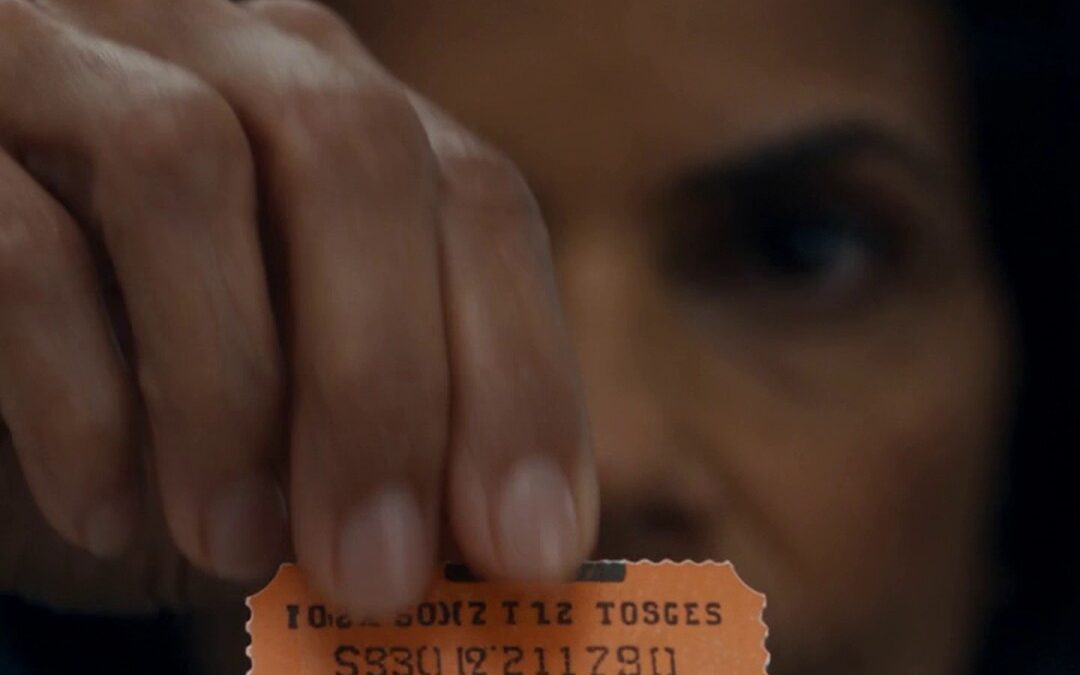
Marisol put an orange bus ticket over the photograph Ada had chosen for the newspaper’s last back page.
The ticket was smaller than Ada’s thumb, but it covered the face of the only rider in the picture.
“Bad crop?” Ada asked.
“Wrong bus,” Marisol said.
Eight years earlier, Ada had met Marisol at the stop beside the old mill, where the county bus turned around before dawn.
Marisol cleaned offices after the mill’s evening shift ended, and Ada was there because the paper had reported that almost nobody used the early route.
Marisol had shown her a fistful of orange transfer tickets.
Ada had shown her the county’s count.
They had argued until the bus arrived, then continued arguing while Marisol held the door for three riders Ada had not seen waiting behind the shelter.
A week later, Marisol brought soup to the newsroom because Ada had stayed late trying to understand the count.
“You can be wrong and still need dinner,” Marisol had told her.
Ada corrected one sentence in the paper, but Marisol wanted room to explain what the count had missed.
“When this paper prints its last issue, you get the back page,” Ada said, trying to end an argument neither woman had the energy to finish.
It sounded like a promise about a distant day.
Now the weekly paper had one issue left.
The regional printer needed its pages by four o’clock Thursday, and the back page was reserved for the grocery store’s final paid advertisement.
Priya, the paper’s reporter, was also checking a new proposal to shorten the same bus route.
If the early trip disappeared, people working before the shops opened would have to find another way in.
Ada offered Marisol a letter inside the paper and a place beside Priya at the county meeting.
Marisol glanced at the photograph instead.
“That’s the later bus,” she said.
Ada checked Priya’s contact sheet, then the route map spread across the desk.
Marisol was right.
The ticket remained over the rider’s face while Ada called the printer to ask how late she could replace a page.
“Four means four,” Len told her when she hung up.
He ran the grocery store and had already paid for the back page.
Marisol gathered the loose tickets into her palm.
Ada reached for the photograph, but Marisol placed one ticket back on it.
“When this paper prints its last issue,” she said, “I get the back page.”
Chapter 2: Room for the Route
Ada kept her hand above the photograph.
Marisol did not move the ticket.
Len stood at the other end of the desk with his coat folded over one arm, watching them both.
“Yes,” Ada said.
Len looked at her.
“I paid for that page,” he said.
“I know.”
Marisol lifted the ticket and slipped it into her pocket.
“I’m not asking him to give it to me,” she said.
“That’s what giving you the back page would mean,” Ada replied.
“I’m asking what you meant when you said it.”
Ada could remember the shelter bench, the orange tickets, and her own relief at seeing the bus come around the corner.
She could not remember what she had imagined putting on a back page eight years later.
“I thought we had more time to decide,” she said.
Marisol gave her a brief, tired smile.
“That part I believe.”
Priya came in carrying a cardboard tube of maps under her arm.
She stopped when she saw the photograph on Ada’s desk.
“That can’t run,” Priya said.
“I know,” Ada answered.
Priya set down the tube but kept a hand on it.
“The driver confirmed the early trip still uses the mill turnaround,” she said.
Marisol looked at her.
“For now.”
“For now,” Priya agreed.
Ada asked Len to stay while she opened the layout on her computer, turning the monitor away from Marisol to give herself room to think.
The back page was a full grocery advertisement, approved the previous week and due to be sent to the printer with the other seven pages.
Ada had sold it before the county released the new route proposal.
Len’s payment covered nearly a quarter of this final print bill.
She closed the layout.
“Your advertisement is part of the contract,” she told Len.
“And the store expects it,” he said.
“I’m going to see whether we can give Marisol a page another way.”
Marisol put her coat on.
Ada looked up.
“I’d rather you stay.”
“I have a shift.”
“I need you to tell me what belongs on it.”
“That’s your first question,” Marisol said.
She took the photograph from Ada’s desk and turned it over, leaving its blank back facing up.
“When you have a second one, call me.”
After she left, Len unfolded his coat and laid it across a chair.
“She could have said what she wanted,” he said.
“She’s been saying it for eight years,” Priya replied.
Ada glanced at the empty side of the photograph.
“What did I miss?”
Priya pulled a chair beside the desk.
“The county counted riders at marked stops,” she said.
“I know that.”
“People boarded at the mill turnaround before they put up the shelter.”
“I know that, too.”
“Do you know how many?”
Ada looked toward the door Marisol had closed.
Priya did not answer her own question.
She opened her tube and spread a large route map across the desk.
Ada helped hold down its curling corners with a stapler and Len’s car keys.
A thick line marked the current early trip.
A shorter line marked the proposed one.
Len leaned over the map.
“The new end is two miles from my store.”
“For somebody with a car,” Priya said.
He straightened.
“I meant the workers.”
“I know.”
Ada studied the stretch of road between the two lines.
The county had scheduled a public comment meeting for the following Tuesday, four days after the last issue reached readers.
Priya’s article needed to explain the proposal clearly enough that people could decide whether to attend.
Marisol’s promised page seemed, at first, to belong to a different argument.
Ada slid the photograph aside.
“Find out what a full page costs us,” she told Priya.
Priya tapped the unused strip along the map’s edge.
“It costs this,” she said.
Ada went to the printer room, where eight folded mock pages lay across a worktable.
The paper had no press of its own anymore.
Every Thursday, Ada checked a printed proof, sent eight finished pages to a regional plant, and hoped the boxes came back before Friday’s carriers started their rounds.
She unfolded the mock issue and moved it into page order.
The front carried the closure announcement and Priya’s bus story.
Inside were a school board report, a garden club photograph, paid notices, and a page of small businesses saying goodbye.
The back belonged to Len.
There was white space in several places, but none large enough for a proper answer to an eight-year argument.
She tried moving the garden photograph.
That opened a quarter page.
She tried shortening her own farewell column.
That opened another quarter.
She folded the proof again.
When she returned, Priya was on the phone asking the transit office for the counting method used in the old report.
Len had picked up the photograph.
“Why did you choose this?” he asked.
“The rider was looking straight at the camera.”
“He’s on the wrong bus.”
“Yes.”
Len placed it facedown again.
“I don’t want the store remembered on the back of that.”
Ada looked at him.
“Are you offering the page?”
“I’m telling you why I’m here.”
He had driven over to approve the color proof because the store’s printer made its green look almost black.
The advertisement listed next week’s hours and thanked customers for decades of shopping there.
Ada had seen him revise its last sentence three times.
“I can move it inside,” he said.
“The contract gives you the back.”
“I know what I bought.”
“An inside page gets folded into the middle of the stack,” Ada said.
“My customers can still find it.”
“They can.”
“Then check with the printer.”
Ada resisted the urge to accept before they had measured what moving it would do.
Priya ended her call.
“The transit office will send the old counting instructions,” she said.
“When?”
“They said today.”
Ada looked at the clock.
It was just after ten.
“Ask them to call if they can’t.”
Len collected his keys from the map.
“I can come back after lunch,” he said.
“You don’t have to wait here.”
“I want to see where the advertisement goes.”
Ada walked him to the door.
He stopped beside the wire rack that held the week’s remaining papers.
“I lost my grandfather’s store twice,” he said.
Ada turned toward him.
“Once when he retired, and again when nobody around here remembered its name.”
She knew Len had taken over the grocery store from his mother, but he rarely talked about the earlier one.
“That’s why I bought the page,” he said.
“We’ll keep it.”
“I know you will.”
He went out, leaving Ada with an offer that had made one problem smaller and the other harder to avoid.
Priya waited until the door shut.
“Marisol won’t hand you copy,” she said.
“She said she wanted the back page.”
“She asked what you meant.”
Ada picked up the orange ticket Marisol had left, then realized it was still in Marisol’s pocket.
There was only a faint rectangle on the proof where it had lain.
“I meant she could answer me,” Ada said.
“Then let her.”
“I need to know what we’re printing.”
“Call her after work.”
Ada looked at the clock again.
Marisol cleaned the offices at the county equipment depot in the mornings and took a second shift three evenings a week.
There would be little time after work for a long conversation, and the page was due that afternoon.
Ada put on her coat.
“Where are you going?” Priya asked.
“To ask my second question.”
Marisol was loading folded cleaning cloths into a cart when Ada found her at the depot.
The public entrance was open, but Ada waited beside the reception desk until Marisol saw her.
“I have twenty minutes,” Marisol said.
“I can come back.”
“You have less than twenty minutes yourself.”
Ada walked beside the cart down a bright corridor.
A man at a desk raised a hand to Marisol.
She raised hers without slowing.
“Len said we can move his advertisement inside,” Ada said.
“That was decent of him.”
“It gives us the back page.”
“It gives you a back page.”
Ada stopped.
Marisol moved the cart against the wall, leaving the corridor clear.
“What do you want to put on it?” Ada asked.
“I want the people who rode that bus to be able to recognize themselves in what you print.”
“Names?”
“Some will give names.”
“Photographs?”
“Ask them.”
Ada took a breath.
“If they don’t want either, I still need something I can print by four.”
Marisol rested both palms on the cart handle.
“In eight years, you’ve had plenty of paper.”
“That isn’t an answer.”
“You ran a correction that said some riders waited beyond the shelter.”
“Because that’s what I could verify then.”
“You could see them when the bus came.”
“I saw three people on one morning.”
“There were more on other mornings.”
“I needed a count.”
Marisol pulled an orange ticket from her pocket and held it between two fingers.
“These were given out every time somebody transferred.”
“They don’t show which stop.”
“I told you that then.”
“You did.”
Marisol returned the ticket to her pocket.
Ada had expected anger.
What she saw looked more like someone measuring how much work a conversation would take.
“The drivers wrote down each boarding,” Marisol said.
“The county gave us stop counts.”
“The drivers had their own sheets.”
“Do they still exist?”
“I don’t know.”
Marisol nudged the cart forward.
“I asked back then,” Ada said.
“You asked the office that made the count.”
Ada followed her to a doorway.
“Who should I have asked?”
“The drivers.”
Marisol went into the room with her cart.
Ada remained in the corridor until Marisol came back carrying an empty spray bottle.
“I don’t know where they are now,” Marisol said.
“Can I call you when I find out?”
“You can call me when you have something more than a memory to argue with.”
She returned to work, and Ada went back to the newspaper with the old sentence sounding narrower than it had eight years ago.
At the office, Priya had the current proposal spread across two desks.
She had marked every proposed stop change with removable tabs.
“The county used a ride-along count over three weekdays this spring,” Priya said.
“They chose weekdays with the early trip running?”
“Yes.”
“Which weeks?”
“I’m waiting on that.”
Ada sat opposite her.
“Marisol says drivers kept boarding sheets in the old days.”
Priya reached for a notebook.
“Are those county records?”
“Maybe, if they survived.”
“We can ask.”
“We need another way, too.”
Priya wrote down the name of the transit supervisor who had spoken at the last public meeting.
“The drivers’ union may know,” she said.
“Call.”
Priya hesitated.
“If the records are gone, what goes on the page?”
Ada looked at the mock issue.
“What Marisol and I can stand behind.”
“She may want more.”
“She probably does.”
Priya nodded and made the call.
Ada tried again to move Len’s advertisement.
The printer could place it on page five without changing the color charge, but the small notices scheduled there had to move.
One notice announced new hours at the food pantry.
Another gave the date of a volunteer training session.
A third was a paid memorial from a family Ada knew only through its phone calls with the office.
She could not simply sweep them aside.
She carried the proof to the circulation desk, where Beth was sorting address labels for the final home delivery.
Beth had worked there longer than Ada.
She knew which subscribers had called to change addresses and which ones only wanted someone to pick up the phone.
“Can these notices move?” Ada asked.
Beth checked the mock pages.
“The pantry can go next to the bus article,” she said.
“They’d welcome that,” Ada replied.
“The training notice can go inside the front fold.”
“And the memorial?”
Beth held the paper at arm’s length.
“It’s already smaller than they wanted.”
“I can call them.”
“Ask them to approve any change.”
Ada wrote a note beside the notice.
Beth picked up a stack of labels.
“Marisol came by yesterday,” she said.
Ada looked up.
“What for?”
“She wanted to know where the last issue would be available.”
“What did you tell her?”
“The usual places, plus Len’s store.”
Beth pressed down a loose label.
“She asked whether the mill stop still had a rack.”
“It hasn’t had one in years.”
“I told her that.”
“Did she say why?”
“No.”
Beth set the labels in a neat pile.
“She bought three copies last week.”
Ada had watched Marisol buy papers many times.
Three copies could mean almost anything.
“Do you know where they went?”
Beth shook her head.
“You could ask her.”
Ada went to call the memorial family before another loose assumption became part of a printed page.
By noon, Len’s advertisement had a possible place inside.
The memorial family agreed to a slightly narrower notice if Ada sent them a proof before the printer deadline.
The pantry answered immediately and accepted a box beside the bus article.
The volunteer group took a smaller box in exchange for the same number of words.
Each call used a few minutes Ada had counted on spending with Marisol.
Priya came to the doorway while Ada was checking the memorial proof.
“The transit office has no driver sheets from eight years ago,” she said.
“Did they check storage?”
“They said the retention period ended.”
Ada put down her pencil.
“What about the counting instructions?”
“They sent those.”
“And?”
“Observers stood at marked stops.”
Ada waited.
“There’s a line telling them not to include boarding outside a designated stop,” Priya said.
“Was the turnaround designated?”
“Not then.”
Ada pictured the three people boarding while Marisol held the door.
The county’s numbers had described one thing.
The paper’s story had claimed to describe another.
“Bring me the old issue,” Ada said.
Priya crossed to the bound volumes on the bottom shelf.
Ada had written the 2018 story herself.
The headline said the early route was nearly empty.
The body reported the county’s stop count, noted riders’ disagreement, and ended with Ada’s observation that she had seen three people board at the turnaround.
It had enough caution in its sentences for Ada to recognize the work she had done.
It did not have enough for the conclusion she had put above them.
Priya read over her shoulder.
“The headline is yours?” she asked.
“Yes.”
“The correction didn’t change it.”
“No.”
Ada closed the volume.
Marisol had brought soup to the newsroom after that story ran.
She had also brought a list of questions about the count, and Ada had used one of them to make a narrow correction.
Ada could remember feeling that she had done what a careful editor should do.
“Will you tell her?” Priya asked.
“I’m going to show her.”
“Before you decide the page?”
“Yes.”
Priya took the volume from Ada and held it open by the spine.
“Then I’m coming,” she said.
Ada considered telling her to stay and finish the current story.
Priya was the person whose reporting would have to share space with this correction.
“Finish the call to the union first,” Ada said.
Priya nodded.
Ada took the counting instructions and went to find a clean envelope for Marisol.
At one, Ada and Priya met Marisol outside the depot’s public entrance.
Marisol had thirty minutes before her next shift.
Ada offered her the old issue and the counting instructions.
Marisol read standing up.
Priya watched her face while Ada watched her hands.
Marisol folded the paper back to its headline.
“I know what it says,” she said.
“The count excluded the turnaround,” Ada replied.
“I know that, too.”
“I didn’t understand that the county had told its observers to leave it out.”
Marisol looked at the instructions.
“You could have found out.”
“Yes.”
A bus passed at the far end of the road.
Marisol waited for its sound to fade.
“What are you going to print?” she asked.
“A correction that says what the count measured, and what my headline claimed.”
“On the back page?”
“Yes.”
“How big?”
“I don’t know yet.”
Marisol held out the old issue.
Ada did not take it.
“I also want your account,” Ada said.
“I’ve given you my account.”
“I mean in your words.”
“If I write it, you’ll edit it.”
“Yes.”
“If I say something you can’t verify, you’ll take it out.”
“I’ll ask you first.”
Marisol rubbed the paper’s folded edge with her thumb.
“People used that bus to get to jobs,” she said.
“I know.”
“Some of them changed jobs when the early trip got unreliable.”
“I can’t prove the article caused that.”
“I didn’t say it did.”
Ada looked at her.
“You think I came here for an apology you could print,” Marisol said.
“I came because another count is about to make the decision.”
Priya shifted the map tube beneath her arm.
“The new count includes the turnaround,” she said.
“Does it include the people who use the side entrance?” Marisol asked.
Priya frowned.
“Which side entrance?”
“The depot moved its staff door after the count.”
Ada turned toward Priya.
“You didn’t know?” Marisol asked.
“No,” Priya said.
“Then there’s your story.”
Marisol handed Ada the old issue.
Her lunch break was almost over.
“I’ll speak to the riders I know,” she said.
“Don’t put their names on a page until they say yes.”
Ada agreed.
Marisol looked from her to Priya.
“Find out where they count people now.”
She went inside, leaving Priya with her map tube and a question the current article could no longer answer.
Back at the office, Priya called the county transit office again.
The new ride-along count recorded boardings on the bus, regardless of stop, a supervisor told her.
The observers had ridden for three weekday mornings.
They had counted every passenger who boarded.
Priya thanked her and asked which mornings.
The supervisor named dates in late May.
Priya put down the phone.
“The count itself may be fine,” she said.
“What about the depot entrance?”
“The proposed route goes past both.”
Ada felt a small lift of relief.
Priya stayed beside the desk.
“But the workers’ shift changed in June,” she said.
“Do we have that from the depot?”
“Marisol told me.”
“Call the depot.”
Priya called.
The depot manager confirmed the morning crew now started forty minutes earlier, and some workers had shifted to another facility.
He did not know how many rode the bus.
That answer made the current article harder to write and more useful.
They could report the count accurately, explain what it might miss, and ask the county how it would assess the changed commute before voting.
Priya began rewriting.
Ada gave her room and called Len.
“The printer can move your advertisement to page five,” she said.
“Is it still full size?”
“Yes.”
“Color?”
“Yes.”
“Send me a proof.”
“I will.”
He paused.
“What’s going on the back?”
“A correction and the route story, at least.”
“Is Marisol writing something?”
“We’re trying to make room.”
“That’s a lot to fit.”
“Yes.”
Len let her hear the store’s checkout bell before he spoke again.
“My evening clerk takes that bus,” he said.
“The early one?”
“She takes it to the first stop, then walks to the store.”
“Would she talk to Priya?”
“I’ll ask her.”
“Only if she wants to.”
“I know how to ask an employee,” Len said.
Ada heard the irritation in his voice.
“You do,” she said.
He told her he would call back.
When the line went quiet, Ada saw that the memorial proof was still waiting for her approval.
She checked it, sent it to the family, and started moving boxes around the inside pages.
Priya worked with the door half closed.
Beth arrived with the last carrier list and found Ada cutting blank pieces from an old mock issue to test the layout by hand.
“Should I leave you the labels?” Beth asked.
“Yes, please.”
Beth put them down.
“You’ve got ink on your cheek.”
Ada wiped the wrong cheek.
“The other one,” Beth said.
Ada tried again.
Beth looked at the paper squares on the desk.
“Where’s the farewell column?”
“Shorter.”
“How much shorter?”
“Nearly gone.”
Beth took the small square that represented it.
“You’ve been here twenty years.”
“Twenty-three.”
“You could keep six sentences.”
Ada reached for the square, but Beth held it a moment longer.
“This place ends Friday,” Beth said.
“I know.”
“I don’t want the last thing I print to be you pretending that’s simple.”
Ada set down her scissors.
She had been treating her column as available space because it was hers to give up.
Beth had to collate the final issue and answer calls from subscribers who would ask where their papers had gone.
The column was one way of telling them honestly.
“I’ll keep enough to say where people can find local notices,” Ada said.
“Good.”
“And I’ll tell them who to call about subscriptions.”
“Better.”
Beth gave back the square.
As Ada fitted it into the page, Len called to say his clerk wanted to speak to Priya after her shift.
Her name was Talia.
Priya wrote it down, then asked Ada to look at a sentence before she called the depot again.
Ada read it once and returned it with a question in the margin.
For the first time that day, the old story and the new one felt like reporting rather than a dispute over territory.
At two, the printer called.
The production manager could take replacement pages until four, but anything later would push the job behind another weekly paper.
Ada asked whether a changed back page would affect folding.
“It stays page eight,” he said.
She asked whether a full-page advertisement could move to page five.
“Yes, if the color files match.”
She thanked him and wrote the deadline on a sticky note beside her keyboard.
When she looked up, Marisol stood in the doorway with a grocery bag.
“I got off early,” she said.
Ada pointed to the chair beside her desk.
Marisol put the bag on the floor and pulled out a bundle of orange tickets held with a rubber band.
“They’re not evidence of where people boarded,” she said.
“I understand.”
“They’re what I kept after they got off.”
Ada looked at the bundle.
“Why?”
“For a while, I thought you might ask to see them.”
“And later?”
Marisol rested the tickets on the desk.
“I couldn’t throw them out.”
Ada did not reach for them.
Marisol took out a folded list of phone numbers.
“I called six riders,” she said.
“Three will talk to Priya, two won’t, and one moved away.”
“Can we use the names of the three?”
“Ask them yourselves.”
Priya opened her door at the sound of her name.
Marisol handed her the list.
“They know you’re calling about the current route,” she said.
Priya thanked her and went back to the phone.
Ada pulled out the back-page mockup.
“I can put a correction here,” she said.
Marisol leaned over it.
“And Priya’s story?”
“Part of it here, with the rest on the front.”
“That makes people turn pages.”
“Yes.”
“What happens to the page I’m supposed to have?”
Ada placed a blank sheet over the mockup.
“You tell me what belongs on it.”
Marisol sat back.
“I didn’t come to design your paper.”
“You came to claim a page.”
“I came to stop you from doing the same thing twice.”
Ada folded her hands to keep from rearranging the paper.
“Then tell me what that is.”
Marisol looked toward the rack of old issues by the door.
“You wrote about people being absent because you couldn’t see them,” she said.
“I used a count that missed them.”
“And then you made the correction so small they couldn’t see themselves in that, either.”
Ada remembered the sentence tucked at the bottom of page three.
“I thought I had answered you,” she said.
“You answered the part you could fit.”
For a moment, the only sound came from Priya asking a rider whether she could quote him.
Marisol picked up one ticket.
“I kept buying three copies,” she said.
“One for me, one for the break room, and one for the stop.”
“The stop has no rack.”
“I put it under the shelter bench on dry days.”
Ada stared at her.
“Sometimes someone took it,” Marisol said.
“Sometimes the wind did.”
“You could have asked us for a rack.”
“I did.”
Ada searched her memory.
“Beth told me there was no rack there anymore,” Marisol said.
“That wasn’t an answer about putting one back.”
Ada had no memory of being asked, and Beth had probably answered according to the small circulation budget she controlled.
Marisol returned the ticket to the bundle.
“I don’t need a page so people can watch me win an old argument,” she said.
“What do you need it for?”
“I need you to leave enough room for the people who know this route.”
Ada looked at the blank sheet.
The back page was large enough to hold a correction, useful information about Tuesday’s meeting, and firsthand accounts if those accounts were short and verified.
It was not large enough to hold every person’s story.
“We can ask them,” Ada said.
“Yes.”
“Some won’t want to be named.”
“Then don’t name them.”
“And you?”
“I’ll decide after I see what you make.”
Marisol stood.
Ada rose with her.
“I said you’d get the page,” Ada said.
“You did.”
“I’m asking you to share it.”
Marisol glanced at Priya’s half-open door.
“It was never only mine.”
Ada stayed beside the desk after Marisol left.
The promise she had treated as ownership of a rectangle of paper had been made in the middle of a conversation about people absent from a count.
Marisol had kept bringing her tickets and questions, even after Ada thought the matter settled.
That did not make Marisol the paper’s editor.
It made Ada responsible for hearing what Marisol had been trying to put on the page.
Priya came out with her notes.
“Two riders gave names,” she said.
“And the third?”
“She’ll talk, but she wants to read her words before we print them.”
“We can do that.”
“One driver from the old route called back.”
Ada turned.
“He remembers the turnaround,” Priya said.
“Does he have records?”
“No.”
“Then we say he remembers it.”
“He also explained why the transfer tickets were orange,” Priya said.
Ada looked at the bundle.
“They were for riders continuing past the depot,” Priya said.
“They tell us people transferred, just not how many boarded at that stop.”
“Good.”
Priya pulled up a chair.
“I have the current count, the changed depot shift, and two people describing what the early trip lets them do now.”
“What do you need?”
“The county’s response to the shift change.”
“Call again.”
“I did.”
“And?”
“They’re reviewing the question.”
Ada looked at the clock.
“Give them until three,” she said.
“If they haven’t answered, write that they haven’t.”
Priya nodded.
Ada took the old issue and opened it beside her keyboard.
She wrote a correction that named the earlier headline, described the county’s method, and said plainly that the paper had presented a count of marked stops as a count of all riders.
She read it aloud to Priya.
“That’s accurate,” Priya said.
“It’s also long.”
“It needs to be.”
Ada cut two defensive sentences.
The space they freed would hold a meeting time and a phone number for people who could not attend.
At three, Len arrived to inspect his moved advertisement.
He set a bag of sandwiches on the circulation desk.
“Eat before you argue with me,” he told Ada.
She showed him the proof first.
His advertisement filled page five.
The green looked right, his store hours were clear, and the thank-you line remained where he wanted it.
He checked the bottom edge.
“The memorial’s still there?” he asked.
“Page four, approved by the family.”
He nodded.
Then he walked over to the back-page mockup.
“Who’s writing this?” he asked.
“Ada’s correction, Priya’s reporting, and people who use the route,” Ada said.
He looked at the small boxes taking shape.
“You’ll print the meeting details large enough to see?”
“Yes.”
“Talia said she’ll talk after her shift.”
“Priya has her number.”
Len put the proof down.
“Keep my advertisement on five.”
Ada took a sandwich from the bag.
“What if we need more space?”
“You already have the page I gave up.”
“I know.”
“Then ask me about another page when there is one.”
He went to Beth’s desk with a sandwich for her.
Ada watched him set it beside the labels without disturbing their order.
No one in the room could solve the layout by offering something that belonged to someone else.
Priya’s phone rang.
The transit supervisor had called back.
Ada waited while Priya listened.
“They’ll review the new shift times before the vote,” Priya reported when she hung up.
“Did they say whether that changes their recommendation?”
“No.”
“Put both in.”
Priya wrote quickly.
Ada opened Marisol’s number on the office phone, then remembered Marisol had asked to see the page.
She would need a proof she could read, not a description delivered over a call.
The printer deadline was sixty minutes away.
Ada sent the unfinished back page to the office printer.
It came out in two pieces because she had enlarged the text.
She taped the pieces together along the white margin, took Marisol’s tickets, and drove to the depot.
Marisol was outside, waiting for the early afternoon bus.
Ada held up the proof.
“I need your eyes on this,” she said.
Marisol read while Ada held the paper steady against the side of the shelter.
A rider arrived and stood several steps away.
Marisol pointed to Ada’s correction.
“You’ve said the count was wrong.”
“I’ve said we described it wrong.”
“Good.”
She read the current route story.
“This says the depot workers start earlier now,” she said.
“The manager confirmed it.”
“Did anyone ask them what they’ll do if the bus ends short?”
“Priya asked two riders.”
“Two isn’t everybody.”
“No.”
Marisol kept reading.
At the bottom, a shaded box held the meeting date and ways to send comments.
“That phone number takes a message,” she said.
“We tested it.”
“Does it take messages after hours?”
“Yes.”
Marisol handed the proof back.
“You haven’t put anyone’s words here.”
“Priya’s confirming them now.”
“Then I haven’t seen the page.”
Ada looked at the bus approaching the far bend.
“I can wait for the final proof,” Marisol said.
“It’s due at four.”
“I can come to the office.”
Ada began to say that there would be no time.
Marisol was already gathering her things.
“Will the bus get us there faster than your car?” she asked.
“No.”
“Then let’s go.”
In the newsroom, Priya had three short accounts ready.
Talia described using the bus to reach Len’s store before the first deliveries arrived.
A depot worker described walking to the former turnaround because the shelter stop had once added time to an early shift.
A retired driver described riders emerging from the mill’s side entrance after observers at the marked stop had already counted and moved on.
Priya had spoken to each person twice.
The driver allowed his name.
Talia allowed hers.
The depot worker wanted his account used without a name because he still worked there.
Ada would not print a detailed account without enough information for readers to judge it.
Priya shortened it to a general statement about a rider’s routine, then found the page did not need it.
Marisol read the two named accounts and the driver’s.
“The driver says they moved on,” she said.
“He means the county observers.”
“Could a reader think he means the bus?”
Priya reread the line.
“Yes.”
She changed it.
Ada watched Marisol read the page again.
“What about your words?” Ada asked.
Marisol pointed to Talia’s account.
“You have someone here who needs the bus next week.”
“You can say why you brought the tickets.”
“I’ll say it if it helps.”
“It does.”
Priya moved her chair closer.
“Say it to me,” she said.
Marisol looked at the bundle on Ada’s desk.
“I kept them because Ada kept asking for a count I couldn’t give her.”
Priya wrote.
“I wanted proof,” Marisol continued.
“I thought if I saved enough little pieces, they might add up to what I saw.”
“Do you think they do?” Priya asked.
“No.”
“What do they show?”
“That I kept trying.”
Ada stood by the printer with the unfinished page warm in her hand.
Priya read back the words she had written.
Marisol approved two sentences and asked to remove the last one.
“It sounds like I’m scolding her,” she said.
“You are,” Ada replied.
“I can do that myself.”
Marisol’s mouth tilted.
Priya kept the two approved sentences.
The page now had a correction, accounts from riders and a driver, the current proposal, and clear information for Tuesday’s meeting.
It also had a narrow strip of white along the bottom.
Ada could fill it with the newspaper’s closing notice or enlarge the meeting information.
Beth came over and looked at the proof.
“Enlarge the phone number,” she said.
“It’s already bigger than body type.”
“Bigger.”
Ada enlarged it.
The strip disappeared.
At 3:52, she sent the revised page to the office printer.
At 3:54, Marisol noticed that the photograph beside Priya’s story was still the later bus.
Ada pulled it from the layout.
Priya offered a photograph of the empty shelter.
“It makes the stop look abandoned,” Marisol said.
Ada removed that, too.
The page looked plain without a picture.
It had room to make the meeting details larger again.
At 3:57, Ada placed the last printout before Marisol.
Marisol read the correction first.
She read Talia’s account next.
Then she put one orange ticket on the desk, away from the proof.
“The page can go,” she said.
Ada checked the file name, sent the finished pages to the regional printer, and waited for the production manager’s reply.
The confirmation came at 3:59.
Priya let out a breath.
Beth took the proof to her desk.
Len picked up his advertisement and checked its bottom edge once more.
Marisol put the ticket back in her pocket.
“Why keep that one?” Ada asked.
“It’s mine.”
They ate Len’s sandwiches after the printer confirmed all eight pages.
No one made a speech about the newspaper.
Priya still had to prepare an online update if the county responded before Tuesday, and Beth had carriers to call about Friday’s final deliveries.
Ada walked Marisol to the door.
“I made you wait eight years for less than a page,” she said.
Marisol adjusted the strap of her grocery bag.
“You gave me a page to answer on,” she said.
Ada wanted to explain all the ways the page had changed while they made it.
Marisol looked toward Beth, who was already on the phone.
“Let her finish,” she said.
On Friday morning, the final issue arrived in four strapped bundles.
Beth cut the straps, checked the fold, and gave the carriers their stacks.
Ada took a copy from the top.
Len’s advertisement filled page five as promised.
On the back, there was no photograph and no large farewell message.
The correction sat above Priya’s account of the proposed route, with the riders’ words and the meeting information beneath it.
Marisol came in after her morning shift and bought three copies.
Beth held up a fourth.
“This one’s on us,” she said.
Marisol took it.
“I’ve got a place for that one.”
She carried two copies to the depot, one to her kitchen, and one to the shelter by the old mill.
The shelter had a bench but still no rack.
She tucked the paper beneath a clean, heavy stone at one end, where a waiting rider could see it.
On Tuesday, the county meeting drew more people than the transit staff had expected.
Talia spoke about her work hours.
The depot manager explained when his crew now started.
Marisol spoke about the difference between counting a stop and counting a bus.
Ada sat near the back and took notes for a paper that would not print another issue.
The county did not decide the route that night.
Staff agreed to run another count that included the changed shift times, and the vote moved to the following month.
By then the newspaper office had closed.
Priya took a reporting job in another county.
Len kept a small stack of the last issue beside his store’s service counter until the corners curled.
Beth helped the public library post the transit meeting schedule where former subscribers could find it, then took a job there answering the same kinds of questions in a quieter room.
Ada attended the later vote as a resident.
The county kept the early trip for the next service period and shortened a less-used afternoon loop, with a review scheduled after six months.
Some riders still had longer walks.
Marisol said so at the meeting, and the county recorded her comments.
One afternoon in late autumn, Ada passed the old shelter and saw Marisol fastening a clear plastic sleeve to the public notice board the county had finally installed beside it.
Ada held the board steady while Marisol slid in the latest route notice.
There was room beneath it for one more sheet.
Marisol stepped back, looked at the empty space, and handed Ada the spare pin.








