The Boy Said His Missing Cousin Was Calling From the Chapel Organ… Then His Uncle’s Perfect House Began to Sing
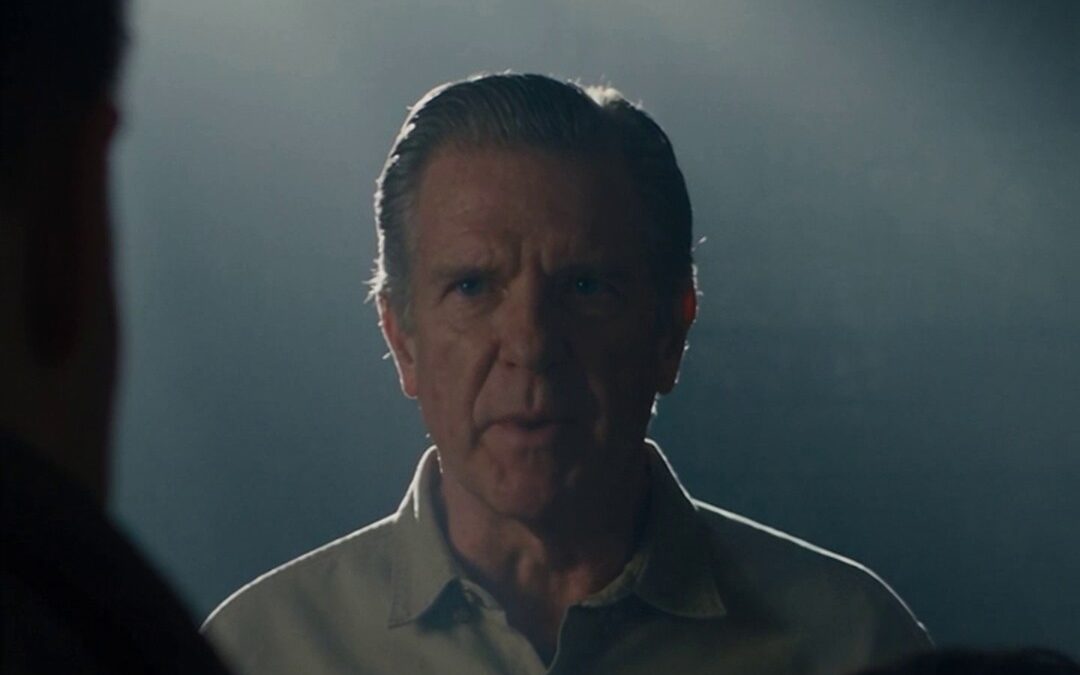
Chapter 2: The Hidden Room
The panel moved less than an inch.
Everett struck the organ with his palm.
“Don’t open it.”
Owen held the key.
The sirens were closer now.
Nate stood pressed against his father, the faded ribbon twisted in both fists.
“Dad, please,” the voice whispered again.
Owen leaned toward the narrow gap.
“Jonah?”
A scrape answered from inside.
Everett grabbed Owen’s jacket.
“You don’t know who that is.”
Owen shoved him away.
The panel slid another inch.
Something heavy shifted behind it.
Everett looked toward the hallway.
His phone was in his hand.
Owen stepped between him and the door.
“Put it down.”
“Get out of my way.”
“Not happening.”
Nate lifted the brass key.
“It’s his.”
The voice came again.
“I can’t see.”
Everett shut his eyes.
For a moment, no one moved.
Then the front door opened behind them.
“Police department,” a woman called. “Everyone keep your hands visible.”
Owen raised both hands.
Everett’s phone dropped onto the rug.
Two officers entered, one at a time. The first wore a body camera. The second kept her eyes on Everett.
“Who called?” she asked.
“I did,” Owen said.
“Is there a child inside that instrument?”
“I heard a voice.”
“I heard it too,” Nate said.
The officer looked at the organ.
“Everyone step away from it.”
Everett took one backward step.
“Mr. Pike, stay where you are.”
“That’s my home.”
“We’ll sort that out.”
“Not until you have a warrant.”
The male officer moved closer.
“Then you can wait with us while we secure the area.”
Owen kept watching the panel.
The voice did not come again.
The officer crouched beside the instrument without touching it.
“Is there another entrance?”
“I don’t know,” Owen said.
Everett stayed quiet.
Nate’s face had gone gray.
Owen turned to him.
“Come with me.”
“I want Jonah.”
“I know.”
“I heard him.”
“I know, buddy.”
Nate swallowed.
“He said you’d come.”
Owen put a hand on the back of his head.
“Then I’m here.”
The officer radioed for fire-rescue and a supervisor. She asked Everett whether the instrument had been modified.
“It was restored,” he said.
“By whom?”
“My company.”
“Do you have plans for the modifications?”
“Of course.”
“Where?”
“In the office.”
Everett didn’t move.
The male officer guided him into the hallway. Owen heard him ask for his lawyer.
The word made Nate flinch.
The female officer softened her voice.
“You can stay with your dad.”
She asked Owen whether Nate had health issues.
“An inhaler. It’s in his backpack.”
Nate set the blue school bag down.
“Good,” she said. “We’ll get paramedics here too.”
A fire captain arrived with two technicians and a tool case. The officer kept everyone back while they examined the organ.
Owen hated standing away from it.
A technician traced the carving along the lower panel with a flashlight. Another looked beneath the bench with a mirror.
“There’s a latch behind the rail.”
“Manual release?” the captain asked.
“Could be.”
Everett appeared at the hallway entrance with an officer beside him.
“That panel is part of the sound chamber. Opening it without a specialist could damage a priceless organ.”
The captain didn’t look at him.
“We have a possible person trapped inside.”
“It isn’t a person.”
“How do you know?”
Everett’s jaw tightened.
The technician found a second lock concealed beneath a brass plate.
Nate lifted the key again.
The officer knelt near him.
“Can I see it?”
Nate glanced at Owen.
Owen nodded.
“It came from beneath the bench.”
The officer put on gloves before taking it.
“Anyone recognize this?”
Everett stared at the key.
“No.”
His answer came too quickly.
Owen saw it.
So did the officer.
She placed the key in an evidence sleeve and handed it to the captain.
“It may fit,” the captain said.
Everett stepped forward.
“Don’t.”
The male officer took his arm.
“You need to stay back.”
“That wood is brittle.”
“We’ll account for that.”
The captain tried the key.
It turned halfway and stopped.
A tiny sound came from inside the organ.
A breath.
Owen moved before anyone could stop him.
“Jonah, it’s Owen.”
The room quieted.
“Can you hear me?”
A faint answer came through the wood.
“Yes.”
Nate began to cry without a sound.
The captain leaned close to the opening.
“Jonah, this is fire-rescue. We’re getting you out.”
“Is Nate there?”
“Yes.”
“Tell him not to touch the wires.”
The captain pulled back.
The technician found a thin copper line attached to a switch.
“Live circuit,” he said.
“We’re cutting the room power first,” the captain told Owen.
Everett shook his head.
“You’ll ruin the instrument.”
“Move back,” the captain said.
The technician traced the wire to a junction. An officer guided Owen and Nate into the hall.
Owen didn’t want to leave the room.
He did it because the officers asked.
They cut power at the breaker.
The lights went dark.
Emergency lamps clicked on.
Inside the organ, someone knocked twice.
“Jonah?” Owen called.
“I’m here.”
The rescue team removed the brass plate and worked the latch by hand.
The panel opened another four inches.
Cold air rolled out, carrying dust, old varnish, and sweat.
“Can you move?” the captain asked.
“I’m sitting.”
“Can you see any light?”
“No.”
“Stay still. We’re coming in.”
A technician slid a small camera through the gap and checked its monitor.
“There’s a cavity behind the case,” he said. “About three feet deep. It continues under the keyboard assembly.”
“Is he injured?” Owen asked.
“I can’t see enough.”
The captain widened the opening carefully.
The panel came loose with a dry crack.
Behind the organ’s casing was a cramped compartment lined with dark soundproofing panels. A battery lantern lay on its side. Several bottles of water stood near a folded blanket.
A boy sat curled on the floor.
His face was pale, but he was awake.
“Jonah,” Owen said.
The child blinked against the emergency light.
Nate caught his breath.
“Jonah?”
The boy’s mouth moved.
“Nate.”
The firefighters eased the lower assembly outward. A steel frame had created a hidden space large enough for a child to lie curled.
A narrow maintenance hatch opened into it from the rear wall.
The hatch was locked from outside.
The captain reached through and unlocked it.
Jonah crawled out.
Owen caught him before his knees hit the floor.
The boy’s arms were cold through his sweatshirt.
He clung to Owen’s jacket.
“I thought you weren’t coming,” he said.
Owen held him tighter.
“I’m here.”
Nate moved close, then stopped.
Jonah reached one hand toward him.
Nate took it.
Everett stood in the hallway, looking at the empty compartment.
Not at the children.
An officer arrested him for unlawful restraint and obstruction pending further investigation. He didn’t struggle. He asked for his attorney.
Paramedics examined Jonah in the ambulance. Owen rode beside him; Nate came too, still holding Jonah’s hand.
The boy was dehydrated and weak, but stable. They took him to the hospital for observation.
Jonah kept asking whether Everett could hear them.
Owen answered each time.
“No.”
A pediatric nurse checked Jonah’s vital signs and asked him simple questions. He knew his name and the date, though he struggled to remember how many days had passed.
He had not been trapped in the organ for eleven months.
He had been hidden there for six days.
That was the first fact investigators confirmed.
The second was harder to understand.
Everett had brought him to the house weeks earlier.
* * *
The hospital kept Jonah overnight.
A child forensic interviewer spoke with him the next morning, after a doctor cleared him and a support advocate sat nearby. Owen waited outside with Nate.
He heard almost nothing through the door.
Each time the handle turned, he looked up.
Nate sat with a paper cup of apple juice in his lap.
“He knew the password,” Nate said.
“What password?”
“The one Mom used.”
Owen looked at him.
Nate stared into his cup.
“She said it when we had bad dreams.”
“What did she say?”
“Find the blue door.”
Owen’s eyes went to the blue fire door at the end of the hall.
June used to say that when she and the children visited Everett’s restoration workshop. She hid a brass key, and the boys had to find the blue door leading back to the loading yard.
Owen had thought it was harmless.
“Did Jonah say that at the house?”
“He said it before.”
“When?”
“At the fair.”
Owen leaned forward.
“What do you remember?”
Nate rolled the cup between his palms.
“I remember Uncle Everett put Jonah in the car.”
Owen went still.
“You saw that?”
“I was four.”
“You never told me.”
“I thought you knew.”
“You thought I knew?”
“He told me not to talk about the blue door.”
Owen gripped the chair arm.
Nate looked frightened.
“I’m sorry.”
“You don’t have to be sorry.”
“I didn’t want him mad.”
Owen moved beside him.
“He had no right to scare you.”
The door opened.
The interviewer stepped out.
“Jonah’s tired. He gave us a basic account. We’ll need another conversation later, with the proper supports.”
“What did he say?” Owen asked.
“He remembers being taken from the fair by his uncle. Everett told him his father had signed papers allowing him to stay away.”
Owen felt the floor shift beneath him.
“His father was dead.”
“Jonah doesn’t appear to have understood that then.”
“Why would Everett say that?”
“We’re still learning.”
The interviewer explained that police had begun an emergency investigation and no one would speak with Jonah alone.
Owen thanked her.
Jonah was resting when they went in.
His face looked small against the white pillow.
Nate approached the bed slowly.
Jonah opened his eyes.
“You got out,” Nate whispered.
“You found me.”
“I heard the organ.”
“You always hear everything.”
Nate smiled, then covered his mouth like he wasn’t sure he was allowed.
Jonah extended two fingers from beneath the blanket.
Nate touched them.
Owen stayed by the door.
He wanted to ask everything.
He knew a scared child couldn’t carry the weight of an adult’s urgency.
So he asked one question.
“Do you know why Everett kept you there?”
Jonah looked at him.
“He said you wanted me gone.”
Owen sat down.
“I never wanted that.”
“He said you blamed me for Mom.”
Owen’s throat tightened.
June had died in a winter highway collision. Jonah had been in the back seat. A truck crossed the center line. June died before the ambulance arrived. Jonah survived with a broken arm and months of nightmares.
Owen blamed the driver.
He had never blamed Jonah.
Everett told the police Jonah ran away during the county fair because he felt responsible for June’s death.
That story had explained the missing child.
It had also kept the search pointed away from Everett.
“Did he say anything else?” Owen asked.
Jonah looked toward the window.
“He said Mom told him to keep me safe.”
Owen stopped breathing for a second.
The fair happened seven months after June’s death.
Everett had not taken Jonah because the boy was lost.
He had taken him because Jonah knew where June kept legal papers.
The documents concerned Everett.
* * *
Detective Mara Sloane met Owen at the hospital that afternoon.
She had short gray hair and a red folder full of copied records.
“I’m going to explain what we know,” she said.
“Start with the part that makes sense.”
“I’m not sure any of it does.”
She sat across from him in the family room.
Everett’s house had been secured under a warrant. The organ was being documented and dismantled by a forensic team. Investigators had found a second lock, a hidden camera, and a maintenance log listing the days the panel had been opened.
“Did Everett build the compartment?” Owen asked.
“His restoration company did the work.”
“Then he knew it was there.”
“Probably.”
“Probably?”
“We’re waiting on the original plans and the contractor’s statement.”
Owen gripped the chair arm.
“Jonah said Everett brought him there weeks ago.”
“We know the organ came from another property four months ago. We don’t know where Jonah was before that.”
“Did he find something?”
“He may have heard a conversation about papers. His interviewer is careful with his account.”
Sloane opened the folder.
The first document was a missing-child report from the county fair.
The second was a vehicle maintenance record.
“Everett said he drove Jonah home,” she said. “He told the first deputy he searched the parking lot, then took a separate car back to his house.”
“That’s what he told us.”
“But his company van was serviced the next morning. The mechanic recorded mud under the rear bumper and a broken latch on the passenger-side sliding door.”
Owen read the line twice.
“He drove a van.”
“Yes.”
“He never told us.”
“The van belonged to his company.”
Sloane laid another sheet beside it.
A toll camera had caught the van heading north thirty-eight minutes after Jonah was reported missing. The route ended near Everett’s home.
“That proves he drove away,” Owen said.
“It doesn’t prove Jonah was inside.”
“What else?”
“His phone location shows it stopped at a private storage property owned by a holding company connected to Everett.”
“Storage?”
“A decommissioned chapel outside town.”
Owen studied the page.
“Why does that matter?”
“The chapel had an old organ. Everett’s company removed it the following spring.”
She showed him a photograph.
A wooden instrument sat in a low-ceilinged room, its panels stripped open. The lower casing showed the same hidden steel frame as the organ in Everett’s house.
“Was Jonah held there?”
“We don’t know.”
“Did Everett move him?”
“The records say the organ traveled from the chapel to his house four months ago.”
“But Jonah was found inside it.”
“Yes.”
Owen looked back at the photograph.
The object had not been chosen only because Everett liked old instruments.
It had a space he could hide.
“Why keep Jonah there?”
“That’s what we’re trying to establish.”
“Did he see something?”
Sloane watched him carefully.
“You know about the papers?”
“Jonah mentioned them.”
“June had a lawyer, Daniel Cho. Before she died, she asked him to draw up a statement concerning Everett’s foundation.”
Owen knew June had volunteered at the foundation’s youth arts program. She handled grant applications and invoices. After the accident, she stopped answering Everett’s calls.
He had assumed grief took all her energy.
“What statement?”
“June believed Everett had diverted money meant for the program.”
“Did she tell you?”
“No.”
“She never told me.”
“Cho says she planned to discuss it with you after a board meeting.”
“She died before that meeting.”
Sloane nodded.
“The statement wasn’t filed. It was a draft. She kept copies at home and another set with Cho.”
“What did Jonah know?”
“He may have heard her and Everett talking.”
Owen gripped the table.
“Everett hid a child over grant money?”
“Don’t reduce the motive before we know it.”
“What did the money buy?”
“We’re tracking it.”
“Then track it faster.”
Sloane didn’t take offense.
“I understand the urgency. I need evidence that holds up.”
She laid out the records.
Everett’s company billed the foundation for restoring historic instruments. Several invoices appeared to list the same work twice. One set used a vendor registered to Everett’s business manager.
“Who was the business manager?”
“His sister, Pearl Pike.”
Owen’s stomach turned.
Pearl was his mother’s youngest sister. She had served as the foundation’s treasurer since it opened.
“She knew?”
“We haven’t spoken with her.”
“Then we don’t know.”
“That’s right.”
Sloane pulled out a photocopy of the key tag.
The brass key had been inventoried. The tag bore a scratched J, and residue along the metal edge was being tested.
“Where exactly was it found?”
“Under the bench.”
“Which side?”
“Left rear.”
Owen closed his eyes, remembering Nate crouching there.
The key hadn’t been hidden carelessly.
It had been placed where a child might find it.
“Jonah wanted Nate to find it?”
“He told the interviewer he slid it under the bench after Everett fell asleep.”
“When?”
“Six days ago.”
Owen stared at the photograph.
“Then he was trying to get out.”
“Yes.”
“Did he know Nate was coming?”
“He says he heard your voice through the organ when you arrived. He recognized you.”
Nate had heard him too.
A child had spent nearly a week in a hidden compartment, waiting for a chance to make himself heard.
Owen’s mouth went dry.
“Could Everett have heard the knocks before?”
“The organ had a sound system connected to the room. We found a monitor in the office.”
“He could hear him.”
“We’re checking the logs.”
“He heard him and left him there.”
Sloane didn’t answer.
The silence told Owen enough.
That evening, an officer brought Everett’s phone into the station for a court-approved extraction. A preview showed messages to Pearl.
One, dated three days earlier, read:
“J keeps asking about June’s box. If Owen finds it, he’ll understand.”
Pearl’s reply came two minutes later.
“Then the box cannot leave the house.”
* * *
Pearl lived in a condo near the river, not far from the foundation office.
Detective Sloane asked Owen not to contact her.
He followed that instruction.
Instead, he gave police June’s old appointment book. It was in a storage tote under his bed, wrapped in a flannel shirt.
June wrote dates in the margins and used symbols to mark meetings. Owen had kept it because he couldn’t bear to throw it away.
He’d never thought it might be evidence.
Sloane found an entry from six weeks before the fair.
“P. says E. has copies,” June had written. “Need to check original ledgers. J heard too much.”
The sentence chilled him.
“What did she mean?” he asked.
“Could be about the foundation. Could be something else.”
“She was protecting Jonah.”
“We’ll ask Cho.”
Daniel Cho met them at his downtown office. He was in his early sixties, with a careful voice and a lawyer’s habit of pausing before difficult answers.
He had represented June’s family for years.
He confirmed she was investigating missing foundation funds.
“She believed Everett used grants to purchase buildings and instruments, then billed the foundation for inflated restoration work,” he said.
“Was it true?”
“The documents I saw suggested serious irregularities.”
“Why didn’t she file a report?”
“She wanted a complete accounting. She believed Pearl could correct the books if shown the evidence.”
“Did she confront Everett?”
“Not in my presence.”
“Did she tell you about the box?”
Cho glanced at the detective.
“She asked me to safeguard two sealed envelopes and one notebook. I have them.”
“Where were they?”
“In my office safe.”
“Why didn’t you give them to the police sooner?”
“Because no crime had been reported. June asked me to hold them for her.”
He opened a locked cabinet and produced a file box.
The first envelope contained a list of grant payments.
The second held photocopies of invoices.
The notebook was a pocket calendar, small enough to fit in a coat pocket.
Cho gave the documents to Detective Sloane.
The invoices showed that Everett’s firm billed the foundation for a full restoration of the chapel organ before purchasing it.
A second invoice billed the same project for hidden “security modifications.”
“Security modifications?” Owen asked.
“Could mean a basic alarm,” Sloane said.
“Could mean a sealed compartment.”
“Yes.”
The notebook had an entry from the day before the fair.
“J saw the drawings. E says he’ll take the box if I don’t stop.”
Owen stared at June’s handwriting.
“She knew.”
“She knew Everett was pressuring her,” Cho said.
“Why didn’t she call me?”
“I can’t answer for her.”
Owen’s anger rose and had nowhere useful to go.
“She trusted all of you to manage it.”
“She trusted me with documents,” Cho said. “She was trying to keep Jonah out of it.”
“And she left him alone with Everett.”
“She believed Everett wouldn’t hurt a child.”
“He locked him inside a wall.”
Cho lowered his gaze.
The detective’s phone vibrated.
A lab analyst had called with a result from the key and compartment.
The key carried trace material consistent with the chapel property’s old red-painted gate. The same red paint was on a pin inside the organ hatch.
It connected the key to the instrument before Everett moved it into his house.
Sloane showed them a power-monitor record from the house.
The internal microphone had activated at 2:13 a.m. on four nights during Jonah’s captivity. The logs had been stored locally and backed up to Everett’s office computer.
“He monitored the compartment,” Owen said.
“Yes.”
“He knew Jonah was alive.”
“Yes.”
The detective’s face tightened.
“He knew.”
* * *
Everett’s lawyer arranged a courthouse meeting.
Detective Sloane advised Owen not to attend.
Owen had no interest in speaking privately with Everett. The meeting concerned Jonah’s custody review and the first probable-cause hearing. Owen went because he wanted the judge to hear that Jonah had a safe place to return to.
Pearl arrived before Everett.
She wore a dark green suit and a silver cross.
For years, she had stood beside Owen at family funerals, offering food no one could eat. When June died, Pearl managed household paperwork and helped arrange the search.
Now she kept her eyes on her hands.
“Did you know?” Owen asked.
The detective touched his arm.
“Let her answer through counsel.”
Pearl’s lawyer stood beside her.
“I have no comment.”
“Did you know Jonah was in the organ?”
Pearl looked at Owen.
“I didn’t know where he was.”
“That wasn’t the question.”
“Everett said he was safe.”
“You knew he was missing.”
“I thought he’d been taken somewhere quiet.”
“By whom?”
Her lawyer stepped between them.
“Mr. Pike, do not approach my client.”
Owen stepped back.
Pearl hadn’t denied the message.
The hearing lasted less than an hour. The judge ordered Everett held without bail pending a full review, citing the child’s confinement and the risk of interference with witnesses.
As officers escorted him out, Everett looked at Owen.
“You don’t understand what your wife started.”
“Then explain it.”
Everett’s lawyer leaned close to him.
“You’ll have your opportunity in court.”
Everett smiled toward the people in the gallery.
“He’ll tell you what happened.”
No one answered him.
The detective guided Owen away.
Outside the courtroom, Sloane showed him the search warrant return. Investigators had found the same “security modification” invoices in Pearl’s condo.
They also found a personal account receiving monthly transfers from the foundation.
“Is that enough to charge her?” Owen asked.
“Not yet.”
“What does she say?”
“She says it was reimbursement for administrative work.”
“Was it?”
“We’re checking.”
Pearl’s lawyer had asked to meet with the prosecutor. She wanted immunity.
“Why would she ask if she didn’t know?” Owen said.
“She may know about the books. We’ll see what she offers.”
Two days later, Pearl gave a recorded statement.
She admitted approving duplicate invoices. Everett told her the money was a temporary loan to cover a development deal.
She admitted learning Jonah was alive on the night he disappeared. Everett had called her from the storage chapel.
She said she didn’t know about the compartment until he moved the organ.
She claimed she had objected.
The detective played the message for Owen in a small office.
“Then the box cannot leave the house.”
Pearl’s voice sounded thin through the speaker.
“She says that was about the ledger.”
“Was it?” Owen asked.
“Probably.”
“Did she know Jonah was locked in the organ?”
“The logs may tell us. The messages don’t.”
“What was Everett’s motive?”
“June had proof of the fraud. He thought Jonah knew where the originals were.”
“The real originals were with Cho.”
“He didn’t know that.”
“Why blame June?”
“Everett told Pearl that June planned to report him and destroy the foundation.”
A bank transfer had gone from Everett’s company to Pearl’s business the week before June died. The money passed through Pearl’s account and into Everett’s development company.
Pearl had helped him move it.
June had discovered the transfer.
The accusations against June were a diversion.
“She wasn’t simply covering for her brother,” Owen said.
“No,” Sloane replied. “She was protecting herself.”
Pearl had known the fraud came from both of them.
* * *
The threat came on a Tuesday afternoon.
Owen had taken Nate and Jonah to a temporary apartment arranged by county victim services. It was plain, quiet, and close to the hospital.
A deputy sat in an unmarked car across the street.
Owen was helping Jonah choose cereal when the intercom buzzed.
“Who is it?” Nate asked.
“I don’t know.”
Owen checked the screen.
A delivery driver stood in the lobby holding a brown paper bag.
The label had no company name.
Owen called the building manager, who said no one had scheduled a delivery.
The deputy came upstairs with gloves and asked Owen to keep the children in the bedroom.
The bag contained a padded envelope.
Inside was a printed photograph of June and Jonah at the county fair.
On the back, someone had written:
“Ask him what his mother promised.”
The deputy placed it in an evidence sleeve.
Owen watched Jonah’s face.
The boy recognized the handwriting.
“It’s Everett’s,” he said.
“How do you know?”
“He used to write notes for me.”
“What kind of notes?”
“Rules.”
Owen sat near the bed.
“What promise does he mean?”
Jonah pulled at the blanket.
“Mom said she’d get me out of the house.”
“When?”
“After the fair.”
Owen felt the fear shift.
“Did she say where you’d go?”
“No.”
“Did she say Everett would keep you?”
Jonah shook his head.
“He was mad at her.”
Nate stayed close to his cousin.
“Did you know he was going to take you?”
“No.”
Jonah’s eyes filled.
“He said Dad didn’t want me.”
Owen reached for his hand.
“That was a lie.”
“I know now.”
“I’m sorry it took so long.”
“You were looking?”
“Every day.”
Jonah looked down.
“I heard your voice.”
The deputy returned with an update from Detective Sloane.
The paper matched material seized from Everett’s office, but the handwriting hadn’t been confirmed. The lobby camera showed a person in a contractor’s uniform leaving the envelope.
Investigators believed the photograph came from Everett’s company archive.
It was a warning.
The detective said they would expand the protection plan.
Everett remained in custody. Pearl was still under investigation. The prosecutor was considering charges against both.
Owen didn’t tell the boys Everett might be released on bail if the hearing changed. He didn’t know that yet.
That evening, Nate and Jonah sat on the floor with a deck of cards.
They were playing a game neither knew how to finish.
Jonah kept asking where the exit was.
Nate pointed to the apartment door each time.
“That one,” he said.
“And the hallway?”
“That’s the way.”
“And the stairwell?”
“Also the way.”
“Good,” Jonah said.
They placed a card near the door to mark it.
Owen watched from the kitchen.
A paper card wasn’t protection.
But it was a choice Jonah could see.
At nine, Jonah asked for the lights to stay on.
Owen left the hallway lamp burning.
At midnight, a phone call woke him.
Detective Sloane was on the line.
“Pearl changed her statement.”
“What changed?”
“She says Everett had a plan before the fair.”
“What plan?”
“To make Jonah disappear until June’s ledgers were recovered.”
Owen sat upright.
“Did she know about the organ?”
“She says she didn’t.”
“Does she have proof?”
“She turned over a voice memo from a foundation board meeting.”
“Why would that prove anything?”
“Listen to this.”
Sloane played the recording over the phone.
Everett’s voice came through the speaker.
“Once the boy is out of sight, June will hand over the box.”
Pearl spoke next.
“And if she won’t?”
“Then we make certain nobody believes her.”
The recording ended.
Owen tightened his hand around the phone.
“Who recorded it?”
“Pearl says she did.”
“When?”
“Two weeks before the fair.”
“Why keep it?”
“She says she wanted leverage.”
“Does the file have an original timestamp?”
“We’re verifying it.”
The recording could make the case. It could also be a trap if it was incomplete or altered.
“Has Everett heard it?”
“No.”
“Then don’t tell him.”
“We’re not.”
Owen looked toward the children’s room.
Nate slept with his shoes on.
Jonah slept facing the door.
“Does this give us the motive?” he asked.
“It gives us a direction.”
“What was he trying to get from June?”
“The box and the account records.”
“Why?”
“They tied him to false invoices and property purchases.”
“And Jonah knew where June kept them?”
“He may have seen her hide the evidence.”
Owen remembered the appointment book.
J saw the drawings. E says he’ll take the box if I don’t stop.
Everett hadn’t taken Jonah because he expected a child to retrieve money.
He took him because Jonah had seen June hide evidence.
He was trying to force her to reveal where it was.
“Who organized the whole thing?” Owen asked.
“Everett.”
A pause.
“Pearl helped him keep it quiet.”
The architect was Everett.
His motive was to protect the money and the reputation he had built around it.
* * *
The preliminary hearing took place three weeks later.
Jonah had been released from the hospital and placed in Owen’s care. He attended school part time, with a counselor who specialized in trauma.
Nate refused to return to Everett’s house.
No one asked him to.
The hearing drew reporters because Everett’s charity had funded several public projects. Cameras filled the courthouse steps.
Owen took the side entrance with both boys. He didn’t want Jonah hearing strangers call his captivity a scandal.
The prosecutor asked Detective Sloane to explain the evidence.
She described the hidden compartment, the locks, the monitor, and the key.
The key wasn’t the original lock key. Jonah had found it inside the compartment. A forensic comparison connected it to the chapel property and Everett’s restoration records.
The prosecutor presented the power logs showing the monitor had been active during Jonah’s confinement.
She introduced the contractor’s testimony.
The contractor said Everett ordered the hidden cavity beneath the organ casing. Everett described it as a “secure transport vault” for delicate components.
The contractor assumed it was for equipment.
He had never seen a child inside.
Everett’s attorney challenged every step.
“The contractor cannot say who was in that space,” he said.
“No,” Sloane replied. “He cannot.”
“The monitor records don’t identify what it detected.”
“No.”
“The child’s memory is confused.”
“The child’s account is being evaluated by a qualified interviewer.”
“And the father is grieving.”
Owen said nothing.
The prosecutor touched his sleeve.
Everett’s lawyer continued.
“My client preserved a vulnerable family member during a complicated dispute. The child’s father has a history of uncontrolled accusations against him.”
Owen looked at Everett.
The man sat with his hands folded. His face held concern, sadness, and something close to affection.
It was a convincing performance.
“I did not imprison Jonah,” Everett said.
The judge ordered him to wait until called.
His lawyer took over.
“Mr. Pike believed the boy needed distance from his father’s household while the family conflict was resolved.”
“Was he kept in that compartment voluntarily?” the prosecutor asked.
“No.”
“Did he have a key?”
“I don’t know.”
“Could he open the hatch?”
“I don’t know.”
“Did he have access to food and water?”
“I don’t know.”
“Were you monitoring him?”
“My client has no comment.”
The prosecutor introduced the messages. Everett’s attorney argued they were incomplete and needed context.
Then came Pearl’s recorded statement.
She admitted the fraud and said she made the voice memo two weeks before the fair. Her lawyer had negotiated a cooperation agreement, but no final immunity deal.
A digital analyst verified the recording’s metadata. It had been created on Pearl’s phone on the date she gave. The file showed no edits.
The judge listened.
“Once the boy is out of sight, June will hand over the box.”
“And if she won’t?”
“Then we make certain nobody believes her.”
Everett’s attorney objected to the recording’s relevance.
The judge allowed it for the limited purpose of showing intent.
Owen watched Everett.
For the first time, his uncle’s polished mask slipped.
Only slightly.
But enough.
The prosecutor presented the key last.
Nate had found it under the organ bench. A trace of red paint matched the old chapel gate. The same pigment was on the internal latch.
A toolmark examiner said the J on the brass tag had been scratched with a household key.
The mark looked recent.
Jonah had scratched it himself.
A small mark made by a child in the dark connected the first hiding place to the second.
The prosecutor asked Nate to sit with the victim advocate, not testify. Jonah’s recorded interview was submitted under a protective order and not played publicly.
The judge found enough evidence to keep Everett in custody and set the case for trial.
Pearl was charged with fraud, obstruction, and conspiracy. Her cooperation did not erase the charges.
Everett remained a danger to witnesses, the judge said, because of his access to money and recent attempts to influence the family.
As officers escorted him out, he looked at Owen.
“You think you can raise them in a world without me?”
“They already are.”
“You’ll tell them lies.”
“I’ll tell them what we can prove.”
“And what about June?”
“I’ll tell them she loved them.”
Everett’s mouth tightened.
“You can’t prove that.”
Owen reached into his jacket.
He held the brass key tag behind the evidence seal, not the key itself. The tag had been returned to the court property clerk for safekeeping.
“Her initials are on the school forms,” Owen said. “Her notes are in the box. Her voice is on the old home videos. I don’t need your permission.”
Everett said nothing.
The judge set the trial date.
* * *
The criminal case took nine months.
The truth came out slowly.
The foundation’s ledgers showed Everett and Pearl had redirected almost two million dollars over six years. Some went to property acquisitions. Other funds paid private debts and inflated restoration contracts.
June found the duplicate invoices.
She planned to tell the foundation board and the state charities office.
Everett learned Jonah had seen her hide the original records in a blue metal cashbox at home. He believed the boy could tell him where she put it.
The cashbox wasn’t found in the house.
It was later discovered in a locked filing cabinet at Daniel Cho’s office, where June had placed it weeks before she died.
Everett never knew.
The fair was supposed to be a temporary abduction.
He planned to take Jonah to the chapel property, question him, then pressure June into giving up the box.
But June was already dead.
When Everett realized that, he panicked.
He moved Jonah to a motel under a false name. When the motel manager asked questions, Everett transferred him into the chapel’s old organ cavity, using the structure his company had built for transport.
The organ moved to his house months later.
Jonah moved with it.
He spent six days inside the hidden compartment before Nate found the key.
Everett testified that he intended to release Jonah after finding the cashbox.
He claimed the child was safe.
The monitor showed he listened.
The bottles and blankets showed he had prepared the compartment.
The sealed hatch showed what “safe” meant to him.
Pearl testified under a cooperation agreement.
She admitted Everett planned the abduction. She also admitted she stayed silent after receiving the first call.
Her testimony implicated him.
It implicated her too.
Everett’s lawyer argued Pearl had invented the plan to save her own future.
The prosecutor answered with the recording, messages, invoices, and contractor’s testimony.
The contractor identified Everett’s handwritten instructions for the hatch. A forensic accountant traced the money through three accounts. Cho verified the original documents.
Each piece stood independently.
The jury convicted Everett of kidnapping, unlawful restraint, witness tampering, fraud, and conspiracy.
He was sentenced to decades in prison.
Pearl pleaded guilty to financial crimes and obstruction. She received a shorter sentence, restitution, and a permanent ban from charitable boards.
The foundation was dissolved.
Its remaining money went to programs serving children in crisis, under independent oversight.
Owen never spoke with Pearl alone.
Once, at sentencing, she turned toward him.
“I’m sorry,” she said.
He looked at her.
“I hear you.”
She waited.
“That doesn’t mean you get near the boys.”
Pearl nodded.
“I understand.”
Owen left before she could say more.
He didn’t need her forgiveness to establish a boundary.
He needed the boundary to remain real.
* * *
In the months after the trial, Jonah learned to sleep without a hall light.
Then he learned he could change his mind.
Nate learned that he didn’t have to hear every sound in a room.
They went to counseling separately and together.
The boys chose a school with a small library and a principal who kept their schedule private.
Owen took unpaid leave from his job at the county transit department. He had spent fifteen years maintaining buses and knew how to repair a brake line in winter.
He didn’t know how to sit beside a frightened child through a quiet afternoon.
He learned.
He made pancakes too thick.
Jonah called them “emergency pancakes.”
Nate said the syrup was “doing most of the work.”
For the first time in months, both boys laughed at once.
Owen kept the court-sealed key tag in a small wooden box.
The key itself remained with the evidence clerk until the appeals window closed.
The brass tag had no practical use.
Still, Jonah asked to see it.
He traced the scratched J with his thumb.
“I made that with the edge of the panel,” he said.
“Why the J?” Owen asked.
“So I’d remember which key it was.”
“What did you think it opened?”
“I didn’t know.”
“Did you think it might help you get out?”
Jonah shook his head.
“I thought Nate would know.”
Owen put his hand on the boy’s shoulder.
“You trusted him.”
“He always found the blue door.”
That was when Owen understood the game as more than a game.
Nate had been four at the fair, but he remembered June’s words. He had carried them without knowing why.
Owen used to protect the boys by deciding what they could handle. He began asking before making decisions that involved them.
One afternoon, he asked Jonah if he wanted to visit the school counselor’s office early, before the building filled.
Jonah asked if Nate could come.
Nate said yes.
They went together.
The first room had a blue door.
Jonah touched its handle.
“Find the blue door.”
Nate smiled.
“Found it.”
They walked through.
* * *
A year after the trial, the county sold Everett’s house.
The organ was never restored.
It sat in an evidence warehouse while technicians documented its compartments and wiring. After the case ended, the court released it to the state.
A nonprofit group acquired it for parts.
Owen and the boys were invited to watch its final dismantling because Jonah wanted to see where the hidden panel had been.
Owen asked twice if he was sure.
Jonah said yes both times.
They stood outside the warehouse with a counselor and Detective Sloane.
The organ had been stripped of its keys and pipes. Its lower casing rested on a padded table.
Without its polished face, it looked like a crate.
Jonah stood beside Nate.
“You can leave whenever you want,” Owen said.
“I know.”
The technician lifted the panel.
The cavity was empty.
No blanket.
No lantern.
No bottles.
Just dust and old screws.
Jonah looked inside for a few seconds.
Then he stepped back.
“Can we go get lunch?”
“Absolutely,” Owen said.
Detective Sloane reached into an evidence bag.
The brass key tag had been cleared for return.
“Your father can keep this now,” she said.
Jonah took it carefully.
The J looked rougher than it had in the courtroom.
It was only a mark on brass.
It was also proof of a child finding one small thing he could control.
Owen had planned to keep it locked away.
Jonah asked if he could have it.
Owen gave it to him.
At home, Jonah placed the tag on the shelf beside his schoolbooks.
He didn’t hide it.
* * *
Seven years later, Owen stood in the school auditorium and watched Nate walk toward a grand piano.
Jonah sat in the front row.
He was seventeen now, taller than Owen, with his mother’s thoughtful eyes. Nate was fifteen and had spent the last year learning to play.
The school had bought the piano from a church that was closing.
It was old, but its sound was warm.
Before the recital, Nate came to Owen holding a small brass tag.
The scratched J had been polished clean.
Jonah had added one letter beside it.
N.
“Where’d you find that?” Owen asked.
“Jonah gave it to me.”
“Why?”
Jonah walked up behind him.
“Because I don’t need to keep it anymore.”
Owen looked at the boys.
Nate held the tag by its ribbon.
“What does it open?” Owen asked.
“Nothing,” Jonah said.
“Good.”
The auditorium lights dimmed.
Nate sat at the piano.
He placed the tag on the music stand beside his sheet.
The first note was quiet.
The next carried to the back row.
Owen listened.
No panel moved.
No hidden voice answered.
Only a boy playing for people who had come to hear him.
A family in one row.
A blue door behind them.
And a sound that belonged to the living.
THE END








