The Silent Harbor King Pointed at His Wedding Jacket, and His Caregiver Found the Receipt That Could Destroy His Family
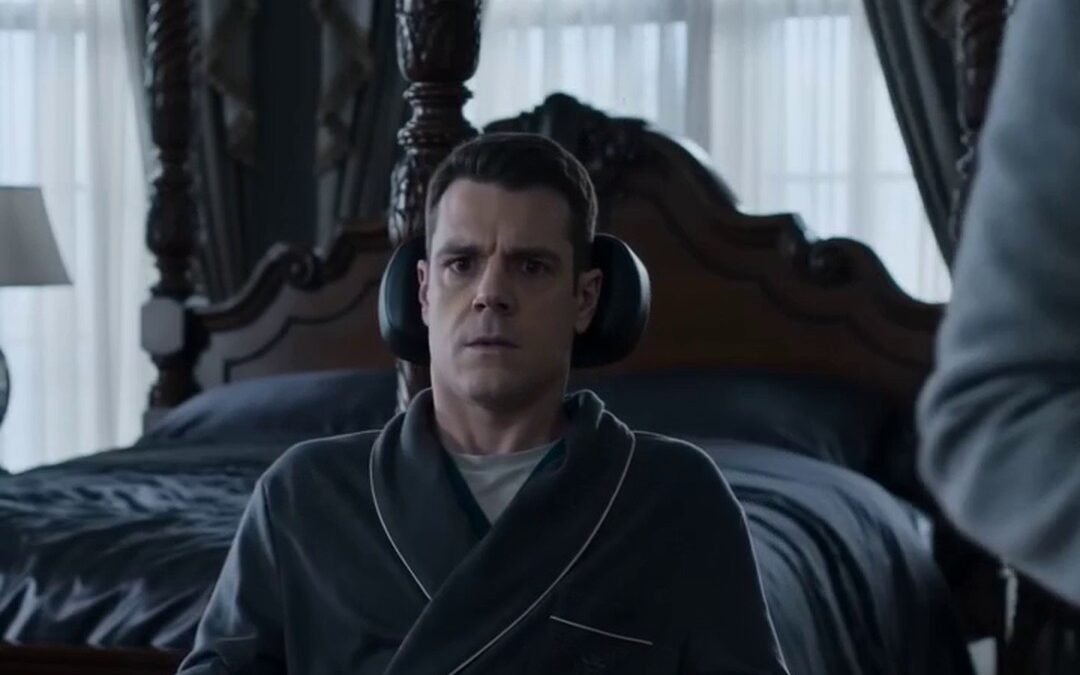
Chapter 2: The Brass Ticket
Mara locked the conservatory door.
Gideon’s voice floated up the stairs.
He was thanking the housekeeper for staying late.
Rafe watched Delia.
Delia watched the windows.
“Why the windows?” Mara asked.
“Because he can see this room from the drive.”
“Is that all?”
“No.”
Delia pulled out her phone.
“His driver parks below the seawall.”
Rafe struck the board.
W.
A.
I.
T.
Mara leaned closer.
“What?”
He pointed at Delia’s phone.
Then at the board.
N.
O.
C.
A.
L.
L.
Delia put the phone away.
“You think I’d call him?”
Rafe held her gaze.
Downstairs, Gideon laughed at something.
Delia’s cheeks colored.
“I deserve that,” she said.
Mara did not argue.
She took the ticket from her pocket.
The brass was warm from her hand.
“What is at Pier Nine?”
Delia shook her head.
“I don’t know.”
“You knew what the ticket was.”
“I knew Gideon wanted it.”
“How?”
“He asked about the jacket every day.”
Rafe tapped twice.
Mara knew his signals now.
Twice meant keep going.
Delia looked at him.
“He said you’d become fixated on it.”
Rafe’s mouth twisted.
“He said searching it would upset you.”
Mara glanced at the red stitches.
“Someone already searched it.”
“I told him you’d sent it to the tailor.”
“Did you?”
“No.”
Gideon called from the hall.
“Delia?”
She looked toward the door.
Mara slipped the ticket into Rafe’s left hand.
He curled his fingers around it.
“Five o’clock,” Mara said.
Delia nodded once.
“I can delay him.”
“Why would you?”
Delia’s answer took time.
“Because I delayed him too long already.”
A floorboard creaked outside the conservatory.
Delia straightened her coat.
“Don’t tell him I saw it.”
Rafe tapped once.
Yes.
It was a promise to wait.
Nothing more.
Delia seemed to understand.
She went out.
Her voice changed as soon as she opened the door.
Bright.
Careless.
Exactly what Gideon expected.
Mara heard her ask about flowers.
Gideon answered with a joke about the cost.
His footsteps stopped outside the locked door.
“Where’s Rafe?”
“Getting ready for the lawyer.”
“Why is the door locked?”
“He wanted privacy.”
“He told you that?”
“He made himself clear.”
For one dangerous second, nobody spoke.
Then Delia asked whether Gideon had seen the florist’s revised estimate.
His footsteps moved away.
Mara looked at Rafe.
He was studying his closed hand.
“Can you hold it?”
He opened his fingers.
The ticket lay flat against his palm.
He shut them again.
Rafe pointed to his phone.
Mara brought it over.
His emergency contact screen showed a name.
Inez Ward.
“Who is she?”
His finger found the board.
L.
A.
W.
Y.
E.
R.
Mara searched the contact.
Inez answered on the second ring.
“Mr. Salerno?”
“This is Mara Keene.”
A pause.
“Is he safe?”
“For the moment.”
“Put me on speaker.”
Mara did.
Rafe managed one rough word.
“Pier.”
Inez was quiet.
Then she said, “Did he find the ticket?”
Rafe closed his eyes.
Mara stared at the phone.
“You knew?”
“I helped him rent the locker.”
“Why didn’t you come for it?”
“Because he hid the claim ticket himself.”
“And then he couldn’t tell you where.”
“That is right.”
Rafe opened his eyes.
Inez spoke more softly.
“I tried every coat in his room, Rafe.”
He lifted his hand toward the red seam.
“He hid it before the crash,” Mara said.
“Yes.”
“What’s inside?”
“Records he believed were being destroyed.”
Rafe tapped the board.
P.
E.
N.
S.
I.
O.
N.
Mara read the word.
Inez’s voice sharpened.
“We have forty minutes.”
“Gideon’s here.”
“I’m two streets away.”
Mara checked the clock.
A car could reach the pier quickly.
A man with a cane could not.
“Is there another exit?”
Rafe pointed toward the kitchen.
“The service elevator?”
He nodded.
“Who has the key?”
He pointed at himself.
Downstairs, Gideon asked the housekeeper for coffee.
Mara opened Rafe’s drawer.
The elevator key hung beside his old company badge.
His photograph showed a man who had never waited for anyone to finish speaking.
Rafe took the badge.
He left the key to Mara.
A door opened downstairs.
Delia’s laugh carried up the stairwell.
Mara looked at Rafe.
The man who had frightened half the harbor could barely hold a ticket.
He was still making the decision.
“Can you walk to the service elevator?” she asked.
He nodded.
“I’ll get your cane.”
His left hand caught hers.
He spelled a single word.
S.
O.
R.
R.
Y.
“For what?”
J.
O.
B.
Mara thought of the bill due Friday.
Then she thought of Delia’s face.
“Let’s earn my dismissal first.”
She helped him stand.
His bad leg took a moment to remember the floor.
The first step hurt him.
He refused her arm.
On the second, he reached for it.
They moved past the jacket.
Mara stopped to close the garment bag.
Rafe shook his head.
“Leave it?”
He nodded.
Let Gideon see the empty seam.
Mara’s phone lit up.
Her agency supervisor wanted to know why Delia had requested a replacement aide.
Mara turned the screen facedown.
She had been careful for four months.
Today had stopped rewarding careful.
They made it to the elevator before Gideon reached the conservatory.
The doors closed on his voice.
“Rafe?”
Rafe leaned hard on the cane.
Mara pressed the garage button.
Inez was waiting by the service gate in a gray sedan.
She was sixty, with rain in her hair and no patience for explanations.
Rafe handed her the brass ticket.
She studied the number.
“I hoped I was wrong about the jacket,” she said.
“About what?” Mara asked.
Inez looked at Rafe.
“Someone knew where he hid it before the boat hit the pier.”
* * *
Pier Nine smelled of rope and diesel.
The storage office occupied a brick building behind the freight sheds.
A camera watched the counter.
Another watched the lockers.
Mara liked both.
Inez showed her bar identification and asked the clerk to preserve the day’s security footage.
Then she paid the release fee.
The clerk slid a form across the counter.
“Customer or bearer?”
“Bearer,” Inez said.
He checked the ticket beneath a lamp.
Rafe stood beside Mara, one hand on his cane.
The clerk glanced at him.
“Mr. Salerno?”
Rafe nodded.
The clerk turned the form toward him.
It offered a box for an authorized representative.
Inez pointed to it.
“Mr. Salerno can mark this himself.”
Rafe took the pen in his left hand.
The mark was slow.
The clerk waited.
Nobody helped him finish.
When Rafe set down the pen, the clerk compared the form with his identification and led them down a short corridor.
Locker 611 held a black document case.
No cash.
No jewelry.
Just paper, a sealed drive, and a small notebook.
Rafe gripped the shelf.
Mara saw relief pass over his face.
Inez took photographs before touching anything.
“The inventory matters,” she said.
“Couldn’t we take it?” Mara asked.
“We can.”
“I mean now.”
“We will.”
The clerk signed a record of what he witnessed.
Inez signed it too.
Rafe added his mark.
Then they carried the case to a conference room at Inez’s office.
It was 4:38.
Mara’s phone rang.
The agency.
She let it ring.
Inside the case, the notebook held dates and account numbers.
Rafe had written most entries before the crash.
His handwriting slanted hard to the right.
A transfer order sat beneath it.
Six million dollars moved from a pension reserve into a property company called North Channel Development.
Another order moved four million.
Then nine.
Inez placed a clear sleeve over each page.
“Did you know about this?” Mara asked her.
“I knew Rafe suspected it.”
Rafe tapped the first order.
His own signature appeared at the bottom.
Mara saw the problem immediately.
“That’s the same hand as the receipt.”
Inez compared them.
The loops matched.
So did the confident downward stroke.
Rafe shook his head.
“He didn’t sign either,” Mara said.
“I believe him,” Inez replied.
“Will anyone else?”
“We’ll give them more than belief.”
Mara laid the storage receipt beside the order.
The printed name matched.
The signatures matched.
But the locker’s paperwork carried something else.
A copy of Rafe’s identification had been scanned when he rented it.
The clerk had stamped the page.
Mara turned it toward Inez.
“That scan has a time.”
“Eight seventeen,” Inez said.
“And the receipt?”
“Eight twenty-one.”
Rafe tapped the notebook.
One page bore the same date.
At 8:05, he had written, Meet Inez.
At 9:30, he had written, Tell trustee.
The second appointment had been crossed out.
“Did he get to the trustee?” Mara asked.
“No.”
Rafe shook his head.
“What happened?”
He wrote on a pad.
GIDEON CAME.
The letters ran downhill.
Inez looked at him.
“You never told me that.”
He pointed at the notebook.
He had tried.
The next line read, G wants jacket.
Mara felt the torn seam beneath her fingertips again.
The red thread had been Rafe’s warning to himself.
Inez called a forensic accountant she had retained months earlier.
She sent him photographs through the firm’s secure portal.
Then she called the pension fund’s independent trustee.
She did not announce a crime.
She asked that pending transfers be suspended while the signatures were checked.
The trustee wanted a written basis.
Inez had one prepared.
Rafe watched her send it.
“You expected this day,” Mara said.
“I expected him to remember where he put the case.”
Rafe tapped the table.
The drive.
Inez plugged it into a spare laptop without network access.
It held copies of company emails, bank statements, and a recording.
The recording was forty-eight seconds long.
Gideon’s voice came first.
“The accounts can carry the loan until winter.”
A second man asked about the workers.
Gideon said, “Workers never read the footnotes.”
Rafe’s voice followed.
It was strong and unmistakable.
“Stop the transfer.”
The recording ended.
Mara looked at him.
He stared at the table.
That voice had belonged to him four months ago.
It still did.
Inez checked the file properties.
“The meeting was two days before the crash.”
“Who recorded it?”
“Rafe did.”
“How do you know?”
“He told me he was recording his meetings with Gideon.”
Rafe nodded.
Mara played it once more.
This time she heard a chair scrape after Rafe spoke.
Then Gideon said something quiet.
She raised the volume.
“You’ll sign by Friday.”
Rafe’s reply had been cut off.
“Does that help?” she asked.
“It tells us where to look,” Inez said.
She copied the file without changing the original.
Her assistant documented the drive’s serial number.
Mara watched the ordinary care they took.
A photograph.
A timestamp.
A second person checking.
It was how facts survived rich men’s arguments.
The office phone rang.
Inez listened without interrupting.
When she hung up, she looked at Mara.
“The clerk says Gideon just arrived at Pier Nine.”
“He missed us.”
“He asked who released the locker.”
“What did the clerk say?”
“That he couldn’t discuss another customer’s transaction.”
Rafe gave the smallest smile.
It disappeared when Inez’s phone rang again.
This time it was the accountant.
He had checked the orders against bank records.
Three had been submitted after the crash.
Each claimed Rafe had authorized it in person.
Rafe pressed both palms flat against the table.
“He was in rehabilitation,” Mara said.
“Yes,” Inez replied.
The accountant had obtained the signing logs from the bank’s business portal.
All three orders came from a device registered to Gideon’s office.
The bank still needed to verify the user.
But the trail had a home address.
Inez turned the laptop.
Beside each transfer was a second approval.
DELIA ARDEN.
Delia.
* * *
Delia called Mara at 5:12.
“I told Gideon you went home.”
“Did he believe you?”
“For about twenty seconds.”
“Where are you?”
“In my car.”
“Go somewhere public.”
“I’m outside a grocery store.”
Mara could hear carts rattling behind her.
“What did you sign?” Mara asked.
Delia said nothing.
“The transfers have your approval.”
“I signed what Gideon put in front of me.”
“How many?”
“Six.”
Mara looked at Inez.
Inez held out a hand for the phone.
“Delia, this is Inez Ward.”
“I know who you are.”
“Keep the originals of anything Gideon gave you.”
“He has them.”
“Then preserve your messages.”
A car horn sounded through the call.
Delia’s breathing changed.
“Is he there?” Inez asked.
“No.”
“Tell us what you can prove.”
Delia lowered her voice.
“Gideon said the money was a bridge loan.”
“To North Channel?”
“Yes.”
“Who owns it?”
“I thought the company did.”
“It doesn’t.”
Delia made a small, dry sound.
“Then he lied better than usual.”
“Why did you sign?”
“Because he said the payroll would fail.”
Mara looked at the pension statements.
“Did you ask the trustee?”
“No.”
“Did you ask Rafe?”
Delia’s answer was barely audible.
“No.”
A grocery cart struck something near her car.
Delia flinched audibly.
Mara could picture her inside the cream coat.
Still dressed for a fitting.
Holding a phone she finally wished to use.
“Gideon said he’d show me the loan papers,” Delia said.
“Did he?”
“Every week, there was a reason to wait.”
“What did he give you instead?”
“Schedules.”
Rafe lifted his head.
“Rafe’s rehabilitation schedule?”
“Yes.”
“Why would a loan need that?”
“I didn’t ask.”
Inez wrote the answer down.
“Was there anything else?”
“He wanted to know when the therapist left.”
Mara looked at Rafe.
His afternoon sessions had ended at three.
His phone had often been taken away afterward for charging.
She remembered carrying it back to him.
She remembered Gideon thanking her.
Rafe held out his hand.
Mara gave him the phone.
He took a breath.
“Why?”
The word scraped out.
Delia stopped moving.
Even through the phone, Mara could hear it.
“Because I was afraid you’d tell me to stop the wedding.”
Rafe stared at the black screen after the call ended.
Mara took the phone gently.
Delia’s fear did not erase the signatures.
It explained them.
A sharp knock came at Inez’s door.
Mara turned.
A courier stood outside with a sealed envelope.
Inez’s receptionist had already signed for it.
Inside was a letter from Gideon’s attorney.
It announced a court petition for a guardian over Rafe’s business decisions.
The petition claimed his speech disorder made him unable to understand financial documents.
Attached were statements from two family members.
Gideon.
Delia.
Rafe reached for the page.
His fingers trembled.
Mara read Delia’s statement.
It was dated six weeks earlier.
She had said he could not express consistent choices.
Mara had worked nearly every day of those six weeks.
She remembered the choices he had expressed.
Tea without sugar.
The blue shirt.
No guests after six.
A new trustee.
The resignation of a port manager.
A wedding delay.
She also remembered how often people had ignored them.
“They’ll use this tomorrow,” Inez said.
“The hearing is tomorrow?”
“An emergency review.”
“Can you stop it?”
“I can challenge it.”
Rafe read the page again.
He found Delia’s signature.
Then he set it beside the storage receipt.
One signature was real.
One was false.
Both could hurt him.
Inez called the courthouse to confirm the hearing time.
Then she called the speech therapist.
The therapist was available.
The independent trustee was not.
He offered to send a written statement about the suspended transfers.
“Will that be enough?” Mara asked.
“It may narrow what Gideon can claim.”
Mara’s phone displayed its fifth missed call.
“I think they already have.”
Inez asked Rafe a series of questions.
Did he want a hospital evaluation?
Yes.
Did he want Delia there?
No.
Did he want the independent trustee notified?
Yes.
She wrote each answer down.
He checked every line.
At the hospital, a physician assessed his understanding with written questions and a communication board.
The doctor documented that Rafe understood his choices, their risks, and the people involved.
His speech was impaired.
His judgment was not.
Mara waited in the hall.
At 9:17, Inez came out with the report.
“The petition should fail,” she said.
“Should?”
“Judges prefer evidence to surprises.”
Across the hall, a television played footage from the harbor.
A reporter stood before Rafe’s company gates.
Workers had gathered there.
Gideon had told them their pensions were frozen because Rafe’s lawyer had interfered.
The next morning would not be quiet.
Rafe came into the hall.
He watched the workers on the screen.
One held a handmade sign.
WE BUILT THIS PLACE.
Rafe touched the glass.
Mara stood beside him.
“My father worked on a ferry,” she said.
“Before his knees gave out.”
Rafe looked at her.
“He used to say every boat was held together by people nobody photographed.”
Rafe took the pen from Inez.
He wrote four shaky words.
THEY GET THEIR MONEY.
Mara read them aloud.
He nodded.
The television showed a woman at the company gate.
She wore a rain jacket and held a pay stub.
Her name appeared beneath her face.
Evelyn Price.
Rafe tapped the screen.
“You know her?”
He nodded.
Mara turned up the volume.
Evelyn said she had worked the night shift for nineteen years.
She wanted to know where her retirement money had gone.
The reporter asked whether she trusted Rafe.
“I used to,” Evelyn said.
Rafe turned away.
Mara did not offer a defense.
He had been in charge when the money first moved.
The workers had earned an answer from him.
Inez’s phone vibrated.
The accountant had traced North Channel’s ownership through public filings and bank disclosures.
The property company belonged to Gideon through two holding companies.
But he had found one more filing.
North Channel had pledged the stolen pension funds as collateral for a private purchase.
The purchase was Rafe’s shipping company.
Gideon had planned to buy it with its workers’ retirement money.
* * *
The hearing began at ten.
It took place in a courthouse room too small for the crowd outside.
Gideon wore a navy suit and a black tie.
He looked tired in a way that seemed carefully chosen.
Delia sat two rows behind him.
Her eyes were red.
Rafe entered with his cane.
Mara carried the communication board.
A deputy offered a wheelchair from the corridor.
Rafe shook his head.
The deputy nodded and opened the door wider.
Gideon’s lawyer spoke first.
He described a family in crisis.
A company facing a payroll deadline.
A once-commanding man struggling to speak.
He did not call Rafe foolish.
That would have been too easy to answer.
He called him exhausted.
He said Gideon wanted temporary authority only.
Then Gideon took the stand.
He spoke about childhood dinners.
Their grandfather’s hard rules.
The night of the crash.
Rafe watched without expression.
“He has good days,” Gideon said.
“And bad ones.”
The judge asked what urgent decision required a guardian.
Gideon cited the frozen transfers.
Without them, he said, lenders might pull credit.
He had figures ready.
A payroll date.
A list of fuel bills.
A letter from a worried supplier.
For a moment, even Mara wondered whether the company had enough cash.
Then the judge asked where the frozen money came from.
“The pension reserve,” Gideon said.
“And how does that pay a fuel bill?”
Gideon’s lawyer stood.
He described an approved short-term loan.
The judge asked for the approval.
The lawyer offered a copy bearing Rafe’s signature.
Rafe looked at the page.
He shook his head.
Inez stood.
“The transfers moved pension assets to a company Mr. Salerno does not own.”
Gideon’s lawyer objected.
The judge allowed Inez to continue only as to the guardianship request.
Inez did.
She submitted the hospital physician’s assessment.
She called the speech therapist who had evaluated Rafe during rehabilitation.
The therapist explained how Rafe communicated.
He could read.
He could weigh alternatives.
He could say no.
He could also approve a decision with a mark, when given time and a reliable method.
Gideon’s lawyer asked whether Rafe always answered quickly.
“No,” the therapist said.
“Could a person mistake a pause for confusion?”
“Yes.”
“Could Mr. Salerno change his mind between answers?”
“Of course.”
“Then how can anyone know what he wants?”
“By asking him again.”
The therapist turned toward Rafe.
She waited.
He gave her a brief nod.
Mara testified next.
She gave her name and her work history.
Gideon’s lawyer asked whether she had medical training to judge business capacity.
“No,” she said.
“Then why are you here?”
“Because I watched people ask him questions.”
“And?”
“Most left before he finished answering.”
A few people shifted in their seats.
The judge wrote something down.
Gideon’s lawyer tried again.
“You were dismissed yesterday, correct?”
“Yes.”
“For taking a client from his home?”
“For helping him reach his lawyer.”
“Without telling his family.”
“His family was in the house.”
“Why not tell them?”
Mara looked at Rafe.
“Because he asked me not to.”
“How?”
“He spelled it.”
“Slowly?”
“Yes.”
“Perhaps you misunderstood.”
“He spelled N-O-C-A-L-L.”
The lawyer had no next question.
Inez brought out the brass ticket.
The court clerk marked it as an exhibit.
She showed the Pier Nine receipt.
Gideon’s lawyer objected to the implied accusation.
Inez kept her voice even.
“I offer it to explain how Mr. Salerno preserved documents for his lawyer before his injury.”
The judge accepted it for that limited purpose.
Inez asked Rafe whether he wanted to testify.
He nodded.
She positioned the board.
Nobody rushed him.
He identified the jacket.
He identified the red seam.
He identified the locker.
Then Inez asked why he had hidden the ticket.
His finger moved slowly.
GIDEON KNEW.
Gideon leaned forward.
“Knew what, Rafe?”
The judge told him to wait.
Rafe finished.
GIDEON KNEW I FOUND THE TRANSFERS.
Gideon sat back.
His lawyer called the statement speculation.
It might have been.
The account records were not.
Inez had brought the bank’s preservation response.
It confirmed that transfers bearing Rafe’s signature had been submitted while he was an inpatient at rehabilitation.
The bank had suspended the remaining orders.
An investigator had been assigned.
The independent trustee had asked for a formal audit.
Gideon’s lawyer studied the dates.
He asked for a recess.
The judge gave him fifteen minutes.
In the corridor, Rafe sat on a bench.
Mara held the board while he flexed his left hand.
His fingers had cramped around the pen.
“You can rest,” she said.
He pointed at the hearing room.
“It will still be there in ten minutes.”
He looked at the brass ticket inside its clear sleeve.
Then he reached for the board.
EVELYN.
“The worker from the television?”
He nodded.
SHE TRUSTED ME.
“She wants the money back.”
He tapped once.
Yes.
“And she wants an answer.”
Another tap.
Mara sat beside him.
“We can give her what we know.”
He looked at her.
“What we know,” she repeated.
“Nothing we can’t prove.”
Rafe rested his hand.
When the hearing resumed, Gideon’s lawyer tried a different argument.
He said the company needed a decision today.
He said a guardian could make it safely.
Inez asked Rafe a question.
Did he want the pension trustee to keep the transfers frozen during an audit?
He marked yes.
Did he understand that creditors might object?
He marked yes.
Did he want Inez to discuss payroll options with the board?
He marked yes.
The judge watched each answer.
The board did not make Rafe quick.
It made him heard.
The judge declined the guardianship petition.
He ordered no finding on criminal conduct.
He did note that Rafe had clearly directed his own counsel.
Gideon’s lawyer rose.
He wanted the hearing record sealed.
The judge said that request required a separate motion.
Outside, cameras crowded the steps.
Inez led Rafe through a side exit.
Mara thought the worst of the day had passed.
Then Delia appeared in the corridor.
“I gave the bank my messages,” she said.
Gideon stopped behind them.
He had not known she was there.
Delia faced Rafe.
“I signed the approvals.”
He nodded.
“I also sent Gideon your rehabilitation schedule.”
Rafe’s hand dropped from his cane.
“Why?” Mara asked.
“Because he said you needed rest.”
Gideon’s face hardened.
“Delia.”
She ignored him.
“He needed the hours when Rafe couldn’t get to his phone.”
Inez asked whether she had preserved those messages too.
“Yes.”
Delia held out the device.
Gideon reached for it.
A deputy stepped between them.
The deputy had heard enough to take names.
He did not arrest anyone in the hall.
He escorted Delia to a private room and called the investigator already working with the bank.
Gideon’s last look landed on Mara.
“You think they’ll thank you?”
Mara held the board against her hip.
“They can answer for themselves.”
Gideon walked away with his lawyer.
Rafe watched until they turned the corner.
Then he reached for the board.
Mara expected a question about the crash.
He spelled something else.
FIND EVELYN.
That afternoon, Inez arranged a meeting with the workers’ committee.
She asked the accountant to join them.
Rafe went with his cane and his board.
Evelyn Price sat across from him.
She did not smile.
“Did you know?” she asked.
Rafe marked no.
“Did you check closely enough before it happened?”
He looked at the accountant.
Then at the old statements.
He marked no again.
Evelyn folded her arms.
“Will the money come back?”
The accountant explained which transfers were frozen.
He identified what remained to trace.
Inez explained what the trustee could do.
Rafe waited until they finished.
Then he wrote on a clean sheet.
THE COMPANY COVERS ANY LOSS.
Evelyn read it.
“Your company?”
Rafe drew a line beneath THE COMPANY.
She looked at him for a long moment.
“Put that in writing,” she said.
Inez took out her pen.
The investigation took eight months.
The bank supplied access logs.
The trustee supplied transfer records.
Delia supplied messages and the originals she found in Gideon’s office.
The accountant traced the money.
Most of it was recovered before North Channel completed its purchase.
For the rest, the company used its own funds.
Evelyn checked the figures at every committee meeting.
Rafe attended each one.
Some meetings lasted three hours.
He answered every question he could.
Gideon pleaded guilty to fraud and conspiracy.
Delia cooperated and entered a separate agreement over the false approvals.
Rafe’s company repaid every pension loss and fee.
His board removed Gideon.
The boat crash remained a harder question.
A marine investigator found that the service pier’s warning light had failed that night.
Maintenance records showed Gideon’s office had postponed repairs.
No one could prove he meant for Rafe’s boat to strike it.
Rafe hated that answer.
He accepted it as the answer the evidence could support.
Gideon had stolen from the workers.
He had used Rafe’s injury to keep stealing.
Those facts held.
* * *
Spring came late to the harbor.
Mara noticed it first in the ferry passengers.
They stopped hunching against the wind.
They took photographs from the open deck.
Her father noticed it in the tomatoes outside his new apartment.
The apartment was small, bright, and close to his doctors.
He had chosen it himself.
Mara had helped with the boxes.
Rafe had paid for a moving van after asking whether that would be welcome.
Her father accepted the van.
He refused the two men Rafe offered to carry a lamp he could lift himself.
Rafe respected him immediately.
Mara had not returned to the care agency.
She had testified, then taken a job with a rehabilitation nonprofit.
The pay was better.
The hours were hers.
She helped people build practical communication plans before they went home.
Sometimes the plan was a tablet.
Sometimes it was a pencil.
Sometimes it was telling a family to wait ten seconds.
One afternoon, a man came in with his wife.
A stroke had left him searching for words.
His wife answered every question before he could try.
Mara moved the chair beside his.
She asked him where he wanted the tablet.
He pointed to the table.
His wife began to explain what he meant.
Mara looked at him instead.
He pointed again.
This time his wife waited.
It took twelve seconds.
Then he typed, WINDOW.
Mara moved the chair.
Sunlight fell across the screen.
His wife cried quietly.
The man rolled his eyes at her.
Mara liked him immediately.
Rafe visited the office once with a donation proposal.
Mara read it at her desk.
“You want your name on the building?” she asked.
“No.”
His speech had improved.
Some words still made him work.
“You want a photo?”
“No.”
“Then what do you want?”
“Evening appointments.”
She looked up.
The proposal funded them for three years.
“People work during the day,” he said.
Mara turned the page.
“The board will decide.”
“I know.”
“And I won’t be the one handling your money.”
“I know that too.”
She smiled despite herself.
Rafe leaned on his cane.
He no longer brought the wheelchair to ordinary visits, though long days still required it.
He did not pretend recovery had made every day easy.
Mara did not ask him to.
After the board approved the grant, Rafe waited outside the office.
He carried two paper cups.
One held coffee.
The other held tea without sugar.
“You remembered,” Mara said.
“I can learn.”
“That would surprise half your former employees.”
“It surprised me.”
They walked to a bench near the water.
He had returned to the company as chair, with an independent chief executive handling operations.
He had also opened the pension books to worker representatives.
Some people praised him for it.
Others pointed out that he should have done it years earlier.
Rafe agreed with the second group.
Evelyn had told him so directly.
Then she had invited him to eat with the night shift.
He had gone.
She had made him serve the coffee.
“My grandfather taught me to keep every door shut,” he said.
Mara took the tea.
“Doors are useful when it rains.”
“They are.”
“They’re less useful when nobody has a key.”
He looked at her over the cup.
“That sounded rehearsed.”
“It was.”
He laughed.
It still arrived a beat late.
Mara liked that sound.
They sat until a tug passed beneath the bridge.
Then he said, “I owe you an apology.”
“For the job?”
“For assuming you would stay after I asked.”
“I did stay.”
“You needed the wages.”
“Yes.”
“I knew that.”
“You also tried to apologize in the elevator.”
“I couldn’t finish.”
“You didn’t have to.”
“I want to now.”
She waited.
Rafe looked at his hands.
“I treated your risk like a price I could pay later.”
Mara turned toward him.
“Could you?”
“No.”
“That’s the part I wanted you to understand.”
“I do.”
She believed him.
Belief did not make her smaller.
It let her say the rest.
“I won’t work for you again.”
“I won’t ask.”
“And I won’t be grateful every time you call.”
He gave her a sideways look.
“How often can I call?”
“That depends what you’re calling about.”
He considered this seriously.
“Dinner?”
“With whom?”
“You and me.”
“Is it a company dinner?”
“No.”
“Is Inez coming to review the menu?”
“She offered.”
Mara laughed.
Rafe set down his coffee.
“Would you have dinner with me?”
“Yes,” she said.
He looked almost startled.
“But I pick the place.”
“Fair.”
“And if you try to buy it, I leave.”
“The restaurant?”
“The conversation.”
He nodded.
“I can do that.”
Mara chose a narrow diner near the ferry.
The waitress knew her father.
She called Rafe “honey” without recognizing him.
Rafe ordered soup.
Mara watched him read the whole menu first.
“What?” he asked.
“You used to have someone choose for you.”
“I used to let them.”
“That sounds convenient.”
“It was.”
“And?”
He set the menu down.
“I missed the chance to be wrong.”
The soup was too salty.
He ate it anyway.
Mara told him to send it back.
“I chose it,” he said.
“Choosing includes changing your mind.”
He called the waitress over.
She brought him a sandwich.
He left an ordinary tip.
Outside, he asked if he could walk Mara to the ferry.
“You can walk with me,” she said.
He considered the difference.
Then he fell into step.
Delia wrote to Rafe that summer.
It was a short letter.
She apologized for calling his silence confusion.
She apologized for signing what she had not checked.
She did not ask him to understand.
Rafe read it twice.
He wrote back once.
He accepted the apology.
He told her they could speak about the case through their lawyers.
He wished her well.
The wedding invitations were recycled by a print shop that made paper for a neighborhood art program.
Mara found that out from Inez.
“You arranged that?” she asked Rafe.
“I asked permission.”
“From the print shop?”
“From Delia.”
Mara pictured the cream envelopes becoming children’s drawings.
“That’s a good use for them.”
Rafe smiled.
“They cost more than my first car.”
“Then the children should draw on both sides.”
One evening, he brought the jacket to her apartment.
The red seam had been repaired in blue.
It looked like every other cuff.
“Why keep it?” she asked.
“I made a mistake before the crash.”
“Which one?”
“I hid the proof where only I could find it.”
“You found me.”
“I was lucky.”
“No,” Mara said.
“You were stubborn.”
He looked at the jacket.
“So were you.”
She let him come inside.
They ordered noodles.
Her father called during dinner and asked whether Rafe knew how to fix a dripping faucet.
Rafe said he knew whom to call.
Her father said that was not the same thing.
Rafe agreed.
The next Saturday, he arrived with a wrench.
Mara’s father examined it.
“New?”
“Yes.”
“That’s usually trouble.”
Rafe took off his coat.
“Show me.”
The faucet needed a washer.
Her father had bought one already.
He had wanted company.
Rafe realized that halfway through the repair.
He stayed after the water stopped dripping.
They ate tomato sandwiches.
Her father asked about the ferries.
Rafe asked which ones he had worked on.
Mara listened from the doorway.
Nobody asked her to translate.
* * *
Three years later, rain crossed the harbor in thin gray lines.
The conservatory roof had been repaired.
The room beneath it had changed.
There was no wedding jacket by the door.
No chair set apart from everyone else.
A long table held food, paper cups, and a lopsided cake.
Rafe’s company had finished repaying the last administrative costs from the pension case.
The workers’ committee had chosen to mark the day.
They had invited Mara.
They had invited her father.
They had invited Inez, who arrived with a folder even though nobody had asked her to bring one.
Evelyn Price had brought the cake.
She said she had made it herself.
Nobody believed her.
She cut the first slice anyway.
Her retirement statement lay folded in her purse.
She had checked it that morning.
The money was there.
So were the contributions from every year since.
Rafe stood beside the window.
He still used a cane on rainy days.
Mara brought him tea without sugar.
“You look furious,” she said.
He turned.
“Do I?”
“Your eyes gave me the rest.”
“Inez brought contracts.”
“She always does.”
“They’re for the new training fund.”
“Then you’d better read them.”
“I will.”
He reached into his pocket.
The brass ticket lay in his palm.
Its punched number had worn smooth at the edges.
“I found this in a drawer,” he said.
“I thought the court had it.”
“They returned it.”
“What will you do with it?”
“Keep it here.”
He indicated a small frame on the table.
Beneath the ticket was a photograph of the workers who had reopened the pension fund.
The frame had space for one more thing.
Mara looked at him.
“What?”
“Your father’s ferry photograph.”
“He’ll want to choose which one.”
“I know.”
Across the room, her father argued with a dockworker over the cake.
Inez corrected both of them.
The room sounded full.
Rafe slid the ticket into its place.
Once, it had opened a locker.
Then a case.
Then a way for him to speak before anyone was ready to listen.
Now it marked the people who had waited.
Evelyn came over with two plates.
She handed one to Rafe.
“Your lawyer says there’s a contract.”
“There is.”
“Did you read it?”
“I will.”
“That wasn’t my question.”
Rafe smiled.
“Not yet.”
Evelyn handed the other plate to Mara.
“Then he can eat after.”
She returned to the table.
Mara watched Rafe open Inez’s folder.
He took his time.
Nobody reached past him for the pen.
Mara touched the glass.
“Everyone gets their money,” she said.
Rafe remembered writing those words with a shaking hand.
“Everyone got a choice, too.”
She took his free hand.
Rain brightened against the roof.
Below them, a ferry moved toward the open water.
THE END




