She Called the Rooftop Gardener a Fraud—Then the Deed Named Him the Tower’s Owner
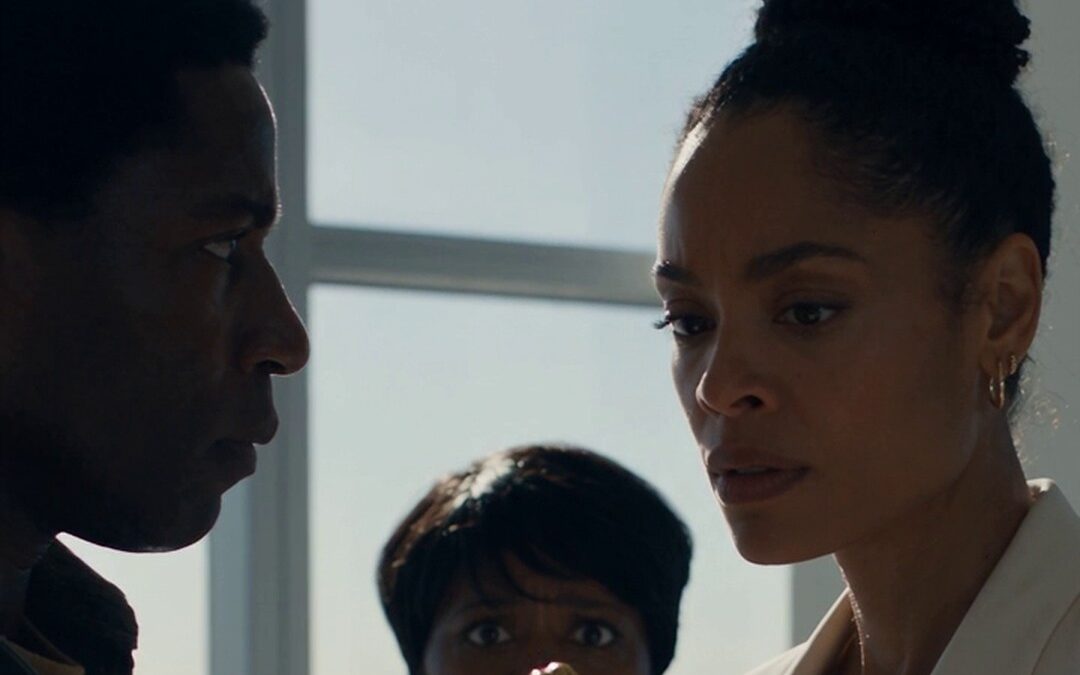
Chapter 2: The Roof That Remained
The attorney held the page between two fingers.
The ink had faded.
The signature had not.
Mara Voss stared at it.
Elias did not move.
The broken fig tree lay between them.
“So he owns the hotel?” Mara asked.
“Not precisely,” Ruth Calder said.
“That sounds convenient.”
“It is a trust deed.”
“Those can be challenged.”
“Of course.”
Ruth set the page on the desk.
“I advised Elias’s mother,” she said. “The Voss Hotel stands on land held by the Reed Family Trust.”
“Your documents say otherwise.”
“They say the operating company owns the building.”
“And the land?”
“The trust.”
Mara’s face went pale.
Elias looked at the signature again.
His mother’s handwriting leaned slightly uphill.
He remembered it on grocery lists.
He remembered it on labels she taped to jars.
He remembered the note inside the sealed blue envelope.
Not yet.
“You knew?” Mara asked.
“I didn’t.”
“You’ve been here three years.”
“I came to grow the roof.”
“You never asked about the deed?”
“My mother said the hotel needed the garden.”
“That was not an answer.”
“It was the one she gave me.”
Mara’s laugh held no humor.
“You let me believe you were a contractor.”
“I was.”
“You let me make decisions.”
“You made your own.”
Ruth raised a hand.
“Let’s not settle legal questions in the lobby.”
“Then why are you here?” Mara asked.
“Because the title search produced another issue.”
Ruth turned to Elias.
“The transfer restriction activates tonight.”
“What restriction?”
“The trust requires the company to preserve the rooftop garden.”
Mara’s jaw tightened.
“On whose authority?”
“Your father’s signature.”
“Which signature?”
“Thomas Voss’s.”
That changed Mara’s expression.
Only slightly.
But Elias saw it.
Nessa knelt beside the broken tree.
“Can I save it?”
“Not from this branch,” Elias said.
He lifted the larger half of the planter.
“We can wrap the roots.”
“Do you have burlap?”
“In the service hall.”
Mara watched him.
“You’re leaving?”
“I’m saving the tree.”
“You’re the owner.”
“I heard.”
“Then act like one.”
Elias met her eyes.
“Owners carry things too.”
Ruth glanced at the envelope in his coat.
“We need to secure it.”
“What’s inside?” Elias asked.
“I don’t know.”
“But my mother’s note matters.”
“She filed it with the deed.”
“Why?”
“I can’t answer before we read it.”
Mara crossed her arms.
“You can’t open an estate document without counsel.”
“I’m the beneficiary.”
“And the person who benefits most.”
“Then you should want me to read it.”
She had no answer.
Nessa picked up the brass key and wiped away soil.
“That opens the old records room.”
“There is no records room,” Mara said.
“There used to be,” Elias replied.
“Your staff used it for storage,” Nessa said. “My mother worked here.”
Mara turned to her.
“What?”
“She told me about it years ago.”
Mara looked at the key.
“Come on.”
“Why are you helping?” Elias asked.
“I’m not. I’m protecting the company.”
She pressed the service elevator button.
The old storage level smelled of paper and bleach.
Office chairs stood beside rolled carpets.
Mara stopped at a blank wall.
“There,” she said.
No door showed.
Elias studied the surface.
His work had taught him to notice water damage.
Paint concealed a narrow seam.
He pressed the brass key into a plate beneath the trim.
The lock turned.
A section of wall opened.
Behind it waited a narrow room and a steel filing cabinet.
Dust filmed its drawers.
One bulb flickered overhead.
Ruth stepped in.
Nessa set down the planter.
“This isn’t on the building plans,” Mara said.
“It predates the renovation,” Ruth replied.
Elias took out the envelope.
He opened it carefully.
A note slid free.
Elias,
If the hotel is being sold, open the cabinet marked “Rain.”
Do not trust the copy in the office.
Trust the water marks.
Love, Mom.
“Rain?” Nessa said.
Elias searched the drawers.
One cabinet had no label, but a pale stain ran down its side.
He pulled the top drawer.
It stuck.
Mara helped him.
Together they opened it.
Inside lay ledgers, photographs, and a smaller envelope.
Ruth lifted the first ledger.
“This is an original land record.”
Mara stepped closer.
“Let me see.”
Ruth opened it.
A 1998 transfer listed the parcel number.
The buyer’s name was unreadable.
The witness line was clear.
Thomas Voss.
“What does that prove?” Mara asked.
“That he knew the land remained in trust,” Ruth said.
“Maybe he witnessed something else.”
“Maybe.”
Ruth checked the seal.
Elias examined the page.
The ink had feathered along one edge.
The lower corner was dark.
A water stain crossed the signature.
“Mom kept this somewhere dry,” he said.
“Why?” Mara asked.
“Because the roof leaked.”
He set the page beside the drawer’s wood.
The stain matched a pale mark inside the cabinet.
The ledger had been stored near a leak, upright and protected.
The mark did not cross the ink.
Mara looked at him.
“You’re saying the stain proves it’s genuine?”
“I’m saying the page wasn’t soaked after the signature. It was kept here.”
Ruth turned to the smaller envelope.
A photograph fell out.
It showed Lydia Reed beside Thomas Voss, standing in front of a construction fence.
The date on the back read October 14, 1998.
Elias leaned closer.
His mother looked younger.
Thomas looked angry.
“Do you know what happened that day?” Ruth asked.
“No.”
Mara picked up the photograph.
“My father said she caused the delay.”
“What delay?” Elias asked.
“The hotel’s land purchase.”
Ruth turned another ledger page.
A handwritten note mentioned emergency access to the west service lane.
Mara frowned.
“Why would the landowner give up access?”
“They didn’t,” Elias said.
A pencil arrow pointed to the next page.
It listed a fire inspection, but the report was missing.
“Where is it?” Mara asked.
“Not here,” Ruth said.
“Could it have been moved?”
“Everything in this cabinet was moved.”
“By whom?”
“That’s what we need to learn.”
Footsteps crossed the hallway.
A man called from the doorway.
“Ms. Voss?”
Cal Dorn, the property manager, held a phone.
“Your board is waiting.”
“They can wait.”
“They’ve been informed about the deed.”
“How?”
“I told them.”
“You told them before I did?”
“I thought they should know.”
Ruth stood between him and the records.
“You should not touch these.”
“I wasn’t going to.”
Cal’s eyes fixed on the blue envelope.
“Where did you find that?”
Elias noticed the question.
“You know it?”
“I’ve seen one like it.”
“Where?”
“In Mr. Voss’s office.”
Mara turned sharply.
“You said there was no records room.”
“I said nothing about a records room.”
“You just said you’d seen the envelope.”
“I said one like it.”
Ruth closed the cabinet.
“Cal, you need to leave.”
“I work here.”
“Not in this room.”
Cal looked at Mara.
“Your father would want the company protected.”
“My father has been dead eight years.”
“And the hotel is drowning.”
“Then we’ll address the debt.”
“You can’t afford the property tax.”
“That isn’t your concern.”
“It is the company’s.”
Elias looked toward the broken planter.
“Why send a demolition crew to destroy the garden the deed requires?”
Cal’s face hardened.
“The garden brings in nothing.”
“It feeds people.”
“It loses money.”
“Show us the numbers.”
“I have.”
“Show them again.”
Cal’s phone lit with a message.
Elias saw the name at the top.
Graham Voss.
Mara saw it too.
“Call my brother,” she said.
“He’s overseas.”
“Call him.”
“He asked me to handle the roof.”
“Why?”
“He’s the chief executive.”
“He wasn’t in the company when the transfer happened.”
“Your father appointed him,” Ruth said. “After the transfer, but before it was recorded.”
Mara studied the ledger.
“You’re saying Father gave authority he didn’t own.”
“I’m saying we need the full record.”
Cal shifted in the doorway.
“You’re letting a gardener rewrite the hotel’s history?”
“I’m reading what was filed,” Elias said.
“Records can be planted.”
“Then we’ll authenticate them,” Ruth said.
Cal looked at Mara.
“This will destroy the company.”
“It might save it.”
“You don’t know what you’re doing.”
“I know what you’re doing.”
For a moment, Cal looked afraid.
Then he left.
Nessa touched Elias’s shoulder.
“Are you all right?”
“I’m fine.”
“You don’t look fine.”
He looked at the photograph.
“My mother knew him.”
“She knew a lot of people,” Ruth said.
“Did she trust him?”
“That’s what we’re about to learn.”
Ruth locked the ledger in a document case.
“Leave the original here until I can secure it.”
Mara looked toward the hallway.
“Cal knows we found something.”
“He knows we found a record,” Ruth said.
“That’s enough.”
Elias picked up the plant.
Nessa offered to carry it.
“I can carry it,” he said.
“I know.”
She let him.
Mara followed them to the elevator.
“Why did your mother keep this from you?”
“I don’t know.”
“You could have asked.”
“She died before I knew what to ask.”
Mara lowered her eyes.
“I’m sorry.”
He waited.
“Not because you’re the owner,” she said.
“I didn’t think you were.”
“Then why?”
“Because you’ve been carrying this alone.”
She looked back toward the records room.
“We’re all carrying something.”
The county archive opened the next morning.
Ruth met them there with a document case.
An archivist named Keene checked the parcel number and went searching in the stacks.
Mara studied the old ledger.
“My father never mentioned this.”
“Maybe he thought it was settled,” Ruth said.
“Maybe he thought no one would check.”
“Those are different things.”
“Would you have told me if you knew?”
“I did not know.”
Keene returned with a bound volume.
Lydia Reed had filed a supplementary notice in 1998.
The trust permitted the hotel to operate under a long-term lease.
The rooftop was reserved for community cultivation and emergency water storage.
Lydia was listed as trustee.
Mara read it twice.
“Why emergency water?”
“The city required storage after the 1997 drought,” Ruth said.
“And the garden?”
“Part of the conservation covenant.”
Keene turned the page.
A letter from Thomas Voss requested the rooftop covenant.
He had signed it.
“He wanted the garden,” Elias said.
Ruth nodded.
“Apparently.”
“That doesn’t explain why he let it die,” Mara said.
“No,” Elias replied. “It doesn’t.”
Keene found the 2001 amendment.
The hotel company could renew its lease if it funded the garden program.
Mara frowned at the old amount.
“This hasn’t been enforced.”
“Because the garden remained in operation,” Ruth said.
“Then why make it a condition?”
“Maybe Lydia wanted the roof protected.”
Mara shook her head.
“My father built this hotel.”
“On land he didn’t own,” Elias said.
“He made an agreement.”
“That agreement included the garden.”
Mara studied the document.
“What happened to the fire inspection report?”
Keene searched the index.
“It was submitted to the city in 2001 by Thomas Voss.”
“Can we get it today?” Ruth asked.
“Not from this archive. You’ll need a city request.”
Ruth signed the form.
“Three business days,” Keene said.
Mara’s phone buzzed.
Graham’s name filled the screen.
She answered.
“Where are you?”
“At the county archive.”
“Why?”
“The roof covenant is real.”
“Don’t sign anything.”
“I haven’t.”
“Tell Ruth to stop.”
“Ruth is my counsel.”
“Not anymore.”
“Did you replace her?”
“No.”
“You’re fired,” Graham said.
Mara looked at Ruth.
“Did you know about the trust?”
There was a pause.
“I knew there was an agreement,” Graham said.
“What did you know?”
“Not enough to discuss over the phone.”
“Then come here.”
“I can’t.”
“Why?”
“I’m closing a financing deal.”
“You’re in Singapore.”
“I’m handling it.”
“Are you coming back?”
“Not for this.”
She ended the call.
Elias watched her.
“He knew there was an agreement.”
“He may have seen a copy,” Ruth said.
“Or more,” Mara replied.
“Don’t accuse him until we have proof,” Ruth said. “We need his records.”
Mara folded her arms.
“What do you think the motive is?”
“Protecting a transaction,” Ruth said.
“Which one?”
“We don’t know yet.”
The city records did not arrive before the demolition crew returned.
Ruth filed for an emergency order.
The courthouse set a hearing for the next morning.
That night, Elias returned to the hotel.
The lobby had been swept clean.
The broken planter sat in a maintenance cart.
Nessa sorted produce in the kitchen.
“These are from the last harvest,” she said. “The pantry can use them.”
“Take everything we have.”
“Even the seedlings?”
“Especially those.”
They carried trays upstairs.
On the roof, Elias checked the water lines.
A cut valve hissed softly.
He shut it and inspected the control panel.
A maintenance tag dated the work to the day before.
Cal had signed it.
“The cistern is empty,” Elias said.
Mara came through the roof door.
“Was it supposed to be?”
“No.”
“Can we refill it?”
“Not with the main line cut.”
“Why would someone do that?”
“To make the garden look inactive.”
“Would that weaken the covenant?”
“Maybe.”
He opened the service box.
The maintenance log had missing pages.
The holes were clean.
Someone had removed them recently.
“Cal,” Mara said.
“Maybe.”
“He had access.”
“So did the engineering crew.”
“Who reports to Cal.”
“And the hotel.”
She studied the roof.
The raised beds were still there, though some had been stripped.
Nessa arrived with two volunteers.
“Can we water what’s left?”
“Use the hand tank,” Elias said.
The old tank stood behind an air-conditioning screen.
The hose connector still worked.
They carried buckets from the stairwell and watered the remaining beds.
Mara took off her jacket and joined them.
Her white blouse turned brown at the cuffs.
They worked without much conversation.
When they finished, basil leaves lifted slightly.
“That’s better,” Nessa said.
Mara wiped dirt from her wrist.
“You’ve done this every week?”
“Every week we could,” Elias said.
“Even when the hotel stopped paying?”
“The pantry still needed food.”
“That isn’t your job.”
“It was my choice.”
“Your mother’s choice?”
“Mine.”
Mara looked toward the river, barely visible past the neighboring buildings.
“My father used to bring me up here when I was six.”
“What did he say?”
“That I could see the whole city.”
“Could you?”
“Not with the old roof. I could see the river.”
“Did he talk about the garden?”
“No. He said the hotel was ours.”
“Maybe he thought he’d made it ours.”
“Maybe he made it his.”
The next morning, the hearing lasted twenty minutes.
The company’s lawyer argued that the covenant had not been enforced in years.
Ruth presented the archived deed and the recorded restriction.
The judge asked whether demolition would proceed.
The lawyer hesitated.
“No, Your Honor.”
“Is the roof structurally unsafe?”
“No report says so.”
The judge issued a seven-day order: no alterations, removal, or demolition until a full hearing.
Outside the courtroom, Graham called Mara.
“We got seven days,” she said.
“You’ve put the company in jeopardy.”
“The judge issued an order.”
“You forced the judge to act.”
“The covenant is binding.”
“It was never meant to be permanent.”
“Show me the amendment.”
“You know how complicated this is.”
“I know the records are missing.”
“The company needs the space.”
“For what?”
“Access.”
“To what?”
“The west lane.”
Mara looked at Elias.
“What is on the west lane?”
“Nothing.”
“Then why does the lender need it?”
“Because the parcel lines are unclear.”
“Who prepared the parcel report?”
“I don’t have it.”
“You told me you were closing financing.”
“I am.”
“Send the report.”
“It’s confidential.”
“Send it to counsel.”
He ended the call.
At the hotel, they found a steel gate beyond the loading dock.
A faded sign read SERVICE ACCESS.
Behind it sat a concrete utility chamber.
Elias had seen the chamber before and thought it held a meter.
The brass key opened the outer lock.
Inside, a metal box was bolted to the wall.
A fresh seal covered it.
“Don’t break it,” Ruth said.
“I wasn’t going to.”
Mara called building maintenance.
Cal answered.
“Bring the access log.”
“I’m handling the board.”
“Bring the log.”
“I report to Graham.”
“Graham is not here.”
“You can’t order me around.”
“Then treat it as a preservation request.”
He arrived fifteen minutes later with a thin log.
Two pages were missing.
Mara photographed it.
“Who changed this lock?”
“Northline Utility. They inspected the meter.”
“When?”
“Last month.”
“Who authorized it?”
“Graham.”
“Did you keep the authorization?”
“No.”
“Why are pages missing?”
“I don’t know.”
“Did you drain the cistern?”
“I ordered the system drained for scheduled work.”
“Did you remove these pages?”
“No.”
Ruth put the log in a sleeve.
“Preserve all records, including emails and work orders.”
“I understand.”
Cal glanced at the steel box.
“Your father would have wanted this handled quietly.”
“My father isn’t here,” Mara said.
“He wanted to protect the company.”
“He should have protected his promises.”
Cal left.
Nessa arrived with a shopping cart.
“My mother worked here in the laundry,” she said. “She used to talk about a backup spring line.”
“Where?” Elias asked.
“Near this chamber. She said the hotel collected rain underground.”
Mara looked at the sealed box.
“Can we test it?”
“Not without authorization,” Ruth said.
Mara called the city building department.
A clerk confirmed a protected drainage corridor beneath the property.
The city maintained it.
The corridor had been sealed after a contamination report in 2001.
The report had been filed by Thomas Voss.
“Can you send it?” Ruth asked.
“Submit a formal request.”
She took the case number.
Now the missing inspection report mattered for more than the land boundary.
That afternoon, the hotel board held an emergency meeting.
Graham joined by video.
Six board members sat around a glass table.
“The title and the loan are connected,” Mara said.
“The hotel needs capital,” board member Owen Pike replied.
“What loan?” she asked.
“The bridge loan Graham negotiated.”
“Secured by the west access parcel?”
“It’s a boundary issue,” Graham said.
“The trust owns the land.”
“The loan isn’t final.”
“Did you tell the lender?”
“I told them there was a title question.”
“Did you provide the deed?”
“It wasn’t in the company file.”
“It was recorded.”
“It was difficult to locate.”
“Why did you authorize a lock change?”
“For a meter inspection.”
“Why was the roof demolition scheduled after the title search?”
Graham leaned toward the camera.
“I was trying to protect the company.”
“By removing the garden the deed requires?”
“The company may lose its loan.”
“Because the parcel isn’t ours to pledge.”
“We could renegotiate the lease.”
“Who’s the lender?”
“Confidential.”
Ruth slid a term sheet across the table.
“This names Northshore Commercial and an affiliate,” she said.
Mara read it.
“Who owns the affiliate?”
“I don’t know,” Graham replied.
“Your signature is on the term sheet.”
“I approved the structure.”
“Who benefits?”
“The company.”
“Who owns the affiliate?”
Graham looked away.
Owen tapped his pen.
“Can we stay focused?”
“We are focused,” Mara said. “Did the board approve the loan?”
“No,” Owen said.
“Did you tell us the roof was slated for residential conversion?”
“It was a possibility,” Graham said.
“You told the board it was maintenance.”
“The loan would fund both.”
“Who would buy the rooms?”
“Northshore’s affiliate.”
“Who owns it?”
“I don’t know.”
Mara set down the paper.
“Then we disclose the trust and suspend the loan.”
“That will kill the deal,” Graham said.
“Then it was never a sound deal.”
“You’re making a choice for everyone.”
“You made a loan without the board.”
“I was trying to keep people employed.”
“By pledging land you don’t own?”
“By securing financing against future development.”
“The development was the roof.”
“The roof has no value as a garden.”
“It has value under the covenant.”
“Conditions can be renegotiated.”
“Not by you alone.”
Elias spoke.
“I haven’t agreed.”
Graham stared at him.
“You’re the gardener.”
“I’m the beneficiary.”
“You’ve never run a hotel.”
“No.”
“You don’t understand the debt.”
“Then show me.”
“We have payroll due.”
“Show me that too.”
“You’d risk two hundred jobs over a roof?”
“I wouldn’t close the hotel. I’d learn what could be saved before signing away land.”
Owen asked Graham to leave the call.
Graham refused.
The board muted him and voted to suspend the loan and preserve the records.
Mara cast the deciding vote.
The financing would be delayed.
Payroll might be affected.
Afterward, she remained at the table.
“You could have agreed to the loan,” Elias said.
“I could have.”
“Would it have saved jobs?”
“For a month.”
“It might have.”
“It would put the roof in foreclosure.”
“Then you made the right choice.”
“I may have cost people their work.”
“You don’t know that yet.”
“Neither do you.”
She rubbed her temple.
“I thought my father’s worst trait was building too much.”
“What do you think now?”
“He made a promise and let other people pay for it.”
The city records arrived two days later.
The report said the west corridor was not contaminated.
It was misclassified.
The original inspection had found the pipe safe and inactive, pending repairs.
Someone changed the report before filing.
Ruth located the retired city engineer who had written the original.
He still had his copy.
He also had a letter from Thomas Voss asking him to preserve it.
The engineer confirmed the report and remembered the case.
“Your father said the company’s board had been shown a false map,” he told Mara.
“Who prepared it?” Ruth asked.
The engineer checked the attached copy.
“Graham Voss.”
Mara sat back.
“He was nineteen.”
“He worked in his father’s office,” the engineer said.
“Why would he alter a map?”
“I can’t say.”
“Did my father know?”
“He called me. He didn’t want his son publicly accused.”
“Why?”
“He said the boy had made a mistake.”
The letter was countersigned by Lydia.
“I will keep the original deed safe,” she had written.
“Why didn’t she report him?” Mara asked.
“Your father asked her not to,” the engineer said. “She thought an accusation would destroy the hotel.”
“Did she forgive him?”
“I don’t know.”
“Did she trust him again?”
“I don’t know.”
Ruth arranged for the records to be authenticated.
They left with certified copies.
Mara walked beside Elias.
“Your mother knew my father protected Graham.”
“Looks that way.”
“She could have told me.”
“She may have tried.”
“What does that mean?”
“She filed the deed and kept the letters.”
Mara stopped.
“What letters?”
“Ruth found two in my father’s office.”
Elias had learned about them that morning.
Both were from Lydia. Neither accused Graham. Both asked Thomas to clarify the boundary and preserve the garden.
Thomas had not answered in writing.
“Did Father tell you about them?” Mara asked.
“No.”
“Then why did he keep them?”
“Maybe he couldn’t throw them away.”
She walked again.
“I thought he was proud of me.”
“Was he?”
“I thought so.”
“That’s what hurts,” she said.
The full hearing took place six days later.
Hotel staff filled the back benches.
Nessa sat with pantry volunteers.
Graham arrived in person, wearing a charcoal suit.
Ruth presented the archived deed, the ledger, the original inspection report, and the engineer’s testimony.
The title examiner confirmed the west lane belonged to the trust.
The hotel’s title excluded it.
Graham’s lawyer argued that the covenant had lapsed.
Ruth explained that the garden had remained in operation until the recent demolition order.
The judge examined the records.
Elias testified about the water marks.
“You are not a historian?” Graham’s lawyer asked.
“No.”
“An attorney?”
“No.”
“A gardener?”
“Yes.”
“You noticed a stain.”
“Yes.”
“That does not prove ownership.”
“No.”
“Why are you here?”
“To explain what I saw.”
“Did your mother tell you where the ledger was?”
“No.”
“Did she tell you the land belonged to you?”
“No.”
“Then why claim it?”
“The deed names the trust.”
“You have never paid the hotel’s debts.”
“I haven’t been asked to.”
“You have no plan to manage the building.”
“I’m not trying to manage it.”
“What are you trying to do?”
“Keep the agreement.”
The lawyer sat.
Graham testified next.
He said the map was a preliminary draft.
He said the bank misunderstood it.
He said his father approved the loan structure.
He said the hotel was in crisis and the loan could save jobs.
His case was nearly persuasive.
The hotel had lost money.
The roof cost money.
Payroll was due.
Then Ruth presented the original map.
“Did you prepare this?”
“Yes.”
“Is this your signature?”
“Yes.”
“Did you mark the west lane as company property?”
“It was a draft.”
The title examiner showed an email from 2001.
Graham had written: The lane can be treated as part of the hotel parcel. The trustee won’t contest it if the roof work begins.
Mara stared at her brother.
“Who was the trustee?” Ruth asked.
“Lydia Reed.”
“Had she approved?”
“I don’t know.”
“Did she sign the map?”
“No.”
“Did you show the email to the board?”
“No.”
“Did you disclose it to the bank?”
“No.”
“I thought it was being resolved,” Graham said.
“When?”
“Twenty-five years ago.”
“That isn’t an answer,” the judge said.
Graham’s hands tightened.
“I made a mistake.”
“Did you know the map was inaccurate?”
“I knew it needed review.”
“Did you know the trust owned the lane?”
“I knew there was a trust.”
“Did you tell the lender?”
“No.”
“Did you direct the roof demolition?”
“I approved the work.”
“Why?”
“To make room for development.”
“What development?”
“A residential conversion.”
Mara turned toward him.
“You told us the loan was for maintenance.”
“It would have funded both.”
“Who would buy the rooms?”
“Northshore’s affiliate.”
Ruth submitted a certified company registry.
The affiliate’s beneficial owner was Graham.
The judge asked whether the board had approved it.
Owen said no.
“Did the lender know Mr. Voss owned the affiliate?”
“I don’t know.”
“Did the trust know?”
“No.”
Graham’s lawyer asked for time.
The judge granted a short recess.
In the hallway, Graham approached Mara.
“We can settle this.”
“On what terms?”
“Give the company a long lease.”
“Under the covenant.”
“The covenant can be amended.”
“By Elias.”
“Because the company can pay.”
“He doesn’t need the money.”
“You don’t know what he needs.”
“I know what he asked for.”
“What?”
“Time to save the garden.”
Graham lowered his voice.
“You would destroy the company?”
“No.”
“Then help me.”
“I can help the staff. I won’t help your deal.”
“Your father would have wanted us together.”
“My father should have told me what he promised.”
“He wanted to protect you.”
“From what?”
“From the company falling apart.”
“It was already falling apart.”
“I was trying to keep us alive.”
“You were trying to own the roof.”
“That’s not fair.”
“Which part?”
Graham looked away.
The bailiff called them back.
The judge confirmed the trust’s ownership of the land.
The company had violated the covenant by approving demolition.
The roof work would remain paused.
The loan was stayed while officials reviewed the disclosures.
The board had to preserve all records.
The court did not decide whether Graham had committed a crime.
That question went to the prosecutor’s office.
There was no arrest.
There were documents, deadlines, and subpoenas.
That was enough to change the room.
The case took seven months.
The title was confirmed.
The trust recovered the west lane.
The bank withdrew the loan.
Graham resigned from the company.
The board removed him as an officer.
The prosecutor declined criminal charges after reviewing the records.
A civil court found that Graham had knowingly submitted an inaccurate map.
He was ordered to repay the company’s legal costs.
His affiliate lost its development option.
The hotel survived, barely.
The board sold two vacant floors to a nonprofit housing group.
Mara stayed on as chief operating officer.
She gave up her bonus and ended the consulting contract tied to the roof project.
She published the title record on the hotel website.
Her letter to staff named her father’s promise, her brother’s false map, and her own failure to ask enough questions.
She did not ask anyone to forgive her.
Elias did not take over the hotel.
He became trustee of the land.
The role required him to maintain boundaries, enforce the covenant, and file annual records.
He accepted.
He refused the hotel’s proposed salary and asked that the money go to roof repairs and the pantry.
The board offered a consulting fee.
He asked for supplies instead.
The roof got a new irrigation line.
The pantry got a walk-in cooler.
The old fig tree survived in a repaired wooden box.
Mara asked Elias to meet her beside it one evening.
She carried no papers.
He was repairing a bench.
“You don’t have to stop,” she said.
“I’m almost done.”
She waited until he tightened the final bolt.
“What is it?”
“I owe you an apology.”
“You do.”
“I treated you as if your work made you small.”
“Yes.”
“I treated your mother’s promise like an inconvenience.”
“Yes.”
“I told myself the company mattered more than the people carrying it.”
“You may still think that.”
“I don’t.”
“What changed?”
“I saw the payroll list. I saw the pantry list. I saw my father’s handwriting.”
She looked at the fig tree.
“He believed the garden would outlast him.”
“Why didn’t he protect it?”
“I think he believed he had.”
“Then why did he let Graham change the map?”
“Because he thought Graham would fix it later.”
“Did Graham believe that?”
“I think he believed he could keep everything.”
“Can he?”
“No.”
She looked at Elias.
“Can you forgive me?”
“I can hear the apology.”
“That wasn’t my question.”
“I can’t erase what happened.”
“I know.”
“If we work together, we use records and clear limits.”
“Agreed.”
“You don’t ask me to hide a problem.”
“I won’t.”
“You don’t put the staff in the middle.”
“I won’t.”
“You don’t call me a gardener like it’s an insult.”
“I won’t.”
He picked up the wrench.
“Can I help?”
“Do you know how?”
“No.”
“Then hold the other end.”
She held the board while he tightened the bolt.
It took three tries.
The board shifted once.
Mara laughed.
It was the first time he had heard her laugh without an audience.
“You’re bad at this,” he said.
“I’m new.”
“So was I.”
She held the board steady.
The bench settled.
A week later, Graham called Elias.
Mara had told him she would not carry messages.
He could speak to Elias directly.
Graham arrived at the hotel café without a lawyer.
He ordered coffee but did not drink it.
“I want to explain.”
“You can.”
“I thought Father would approve.”
“Of the map?”
“Of the deal.”
“Did you know it was false?”
Graham rubbed the rim of his cup.
“Yes.”
“Why?”
“The bank wouldn’t lend otherwise.”
“So you changed the map.”
“I thought I could buy the lane later.”
“From whom?”
“Lydia.”
“Did she agree?”
“No.”
“Did you ask?”
“No.”
“Then it wasn’t a plan.”
“It was a risk.”
“It was someone else’s land.”
Graham lowered his eyes.
“I was nineteen.”
“You were forty-four when you did it again.”
“I know.”
“Why did you cut the cistern?”
“To make the roof look inactive.”
“Did you know the water supported the pantry?”
“I knew the garden supplied them.”
“Did you care?”
“I thought we could compensate them.”
“With what?”
“Money.”
“They needed food.”
“I didn’t think about that.”
“That was the problem.”
“You make it sound simple.”
“It was simple for the people losing their garden.”
Graham’s face tightened.
“I’m sorry.”
Elias let the words sit.
“Do you believe me?” Graham asked.
“I believe you’re sorry it failed.”
“That isn’t the same.”
“No.”
“What would make it the same?”
“Nothing I can give you.”
Graham nodded.
“Then I’ll have to live with it.”
“Yes.”
“Can you tell Mara I’m sorry?”
“Tell her yourself.”
“She won’t answer.”
“Then wait.”
Graham put on his coat.
“Would you have done anything differently?”
“Yes.”
“What?”
“I would have asked questions sooner.”
“That’s all?”
“That’s enough to start.”
Graham left.
He did not ask for forgiveness again.
Mara received a letter from him.
She left it unopened for three weeks.
Then she opened it alone and told Ruth what it said.
That was enough.
The hotel’s ordinary problems continued.
A pipe broke on the fourth floor.
A cook quit before a holiday weekend.
The city raised its inspection fee.
The roof produced less food than expected.
They learned to grow winter greens and use the old water tank.
Elias taught two hotel workers to mend the irrigation system.
Mara helped label the beds.
Nessa laughed at her block lettering.
“You write like the city clerk.”
“I can improve.”
“Plants won’t wait for penmanship.”
“I’ve noticed.”
The staff began using the roof during breaks.
The housekeeper who once ate from a paper bag brought soup.
The night engineer planted chives.
A desk clerk brought seeds from her grandmother’s garden.
Mara kept one rule.
No one had to explain why they needed the space.
Six months after the ruling, the trust hosted a public meeting.
Elias brought the blue envelope and ledger.
Nessa spoke about the pantry.
A city planner explained the water corridor.
Ruth explained the lease.
One hotel worker asked why Lydia had waited so long.
Elias looked at the envelope.
“She didn’t wait.”
“What do you mean?”
“She filed the deed. She wrote letters. She kept the ledger.”
“Why didn’t she tell you?”
“I don’t know.”
Mara stood near the wall.
“Maybe she thought he would find it when he needed it,” she said.
“Maybe,” Elias replied.
“Or maybe she trusted the hotel to keep its promise.”
Nessa stood.
“Either way, we know now.”
Later that evening, Elias and Mara went up to the roof.
A brass plate marked the entrance.
COMMUNITY ROOF
LAND HELD IN TRUST
GARDEN MAINTAINED BY ITS NEIGHBORS
The blue envelope rested in a weatherproof case beside it.
Mara touched the glass.
“Your mother’s name should be there.”
“It’s in the deed.”
“That’s not the same.”
“What would you add?”
“Lydia Reed. Trustee. Gardener.”
“She wasn’t a gardener.”
“She grew tomatoes behind her apartment.”
“I didn’t know.”
“Neither did I.”
They looked at the beds.
The fig tree had new leaves.
The broken planter sat beneath it, mended with copper wire.
It would never be whole.
It was still useful.
Mara pointed toward the city.
“The hotel could build a public stair from the west lane.”
“That would cost money.”
“The nonprofit could help.”
“Would the covenant allow it?”
“If the garden stays.”
“Then we should ask the people who use the roof.”
“Will you?”
“Yes.”
She smiled.
“That sounds like the right answer.”
“Is that your business voice?”
“No.”
“What’s the difference?”
“My business voice says I have a plan.”
“And this?”
“I’m asking.”
“What are you asking?”
“Would you let me help design the stair?”
“Do you know how?”
“No.”
“Then you’ll need an architect.”
“Can I work with the architect?”
“If you listen.”
“I can do that.”
He studied her face.
“Are you asking permission?”
“Yes.”
“Then yes.”
The stair project took two years.
The hotel contributed labor.
The nonprofit covered materials.
The city approved the plan.
The first public stair opened at dawn.
People climbed from the west lane carrying baskets.
Nessa brought the pantry’s first winter harvest.
No one cut a ribbon.
They planted another fig tree.
The original remained in its repaired pot.
It had grown crooked.
Elias kept it that way.
Years passed.
The hotel became smaller.
The neighborhood grew more expensive.
The pantry moved twice.
It never lost access to the roof.
Mara became board chair.
She still made mistakes.
She learned to publish the records.
Elias kept working with his hands.
He repaired valves, benches, and raised beds.
He turned down a foundation’s offer to put his name on the roof.
He accepted its money for the pantry.
The grant required a report.
He wrote it himself.
The blue envelope stayed in its case.
The brass key hung beside it.
People asked why the key mattered.
Elias said it opened a room.
Mara said it opened a question.
Both answers were true.
Seven years after the planter split, Elias stood beside the fig tree.
Rain tapped the roof.
City lights reflected in the glass.
A child from the pantry pointed at the brass plate.
“Who owns this place?”
Elias looked at the sign.
“People who keep the promise.”
The child considered that.
“Does that mean us?”
“If you want it to.”
The child nodded and ran toward the garden beds.
Mara stood by the stair entrance with a new envelope.
“What’s that?”
“The city’s approval for the stair extension.”
“Is it signed?”
“Every page.”
“Did you check?”
“Twice.”
He took it.
The envelope was plain and unsealed.
She had learned that records worked better when everyone could read them.
He set it beside the old blue one.
One held a secret.
One held permission.
The fig tree lifted its leaves toward the rain.
The roof stayed open.
The pantry stayed fed.
The hotel kept its doors.
The promise held.
And the key no longer opened a hidden room.
THE END


